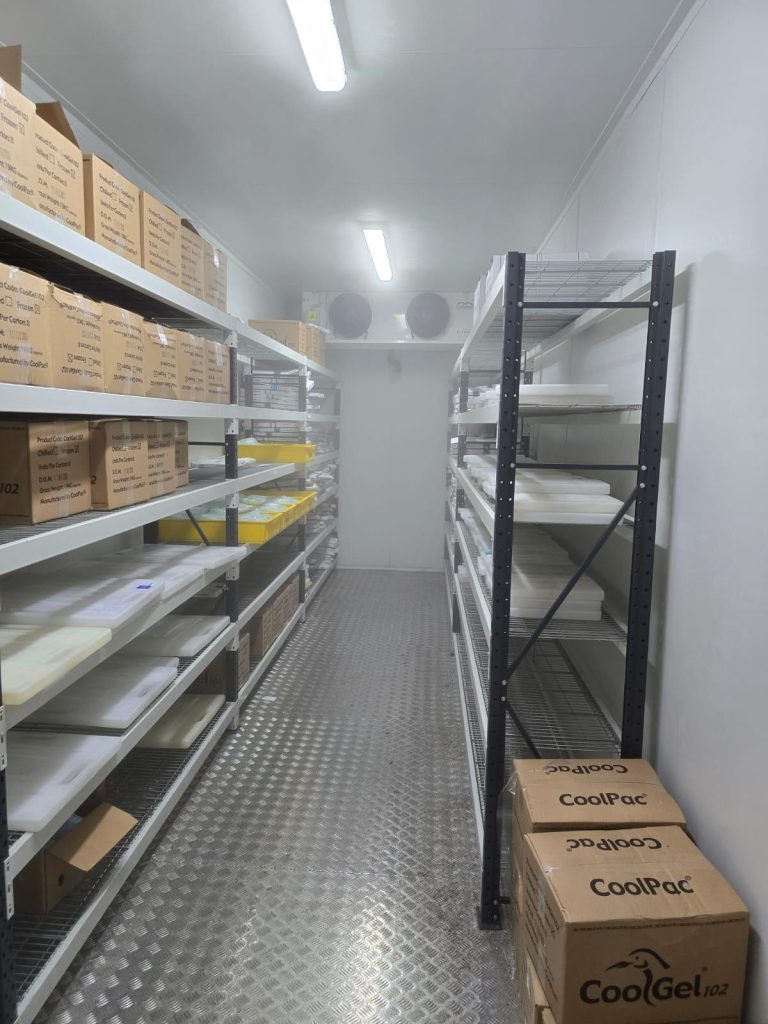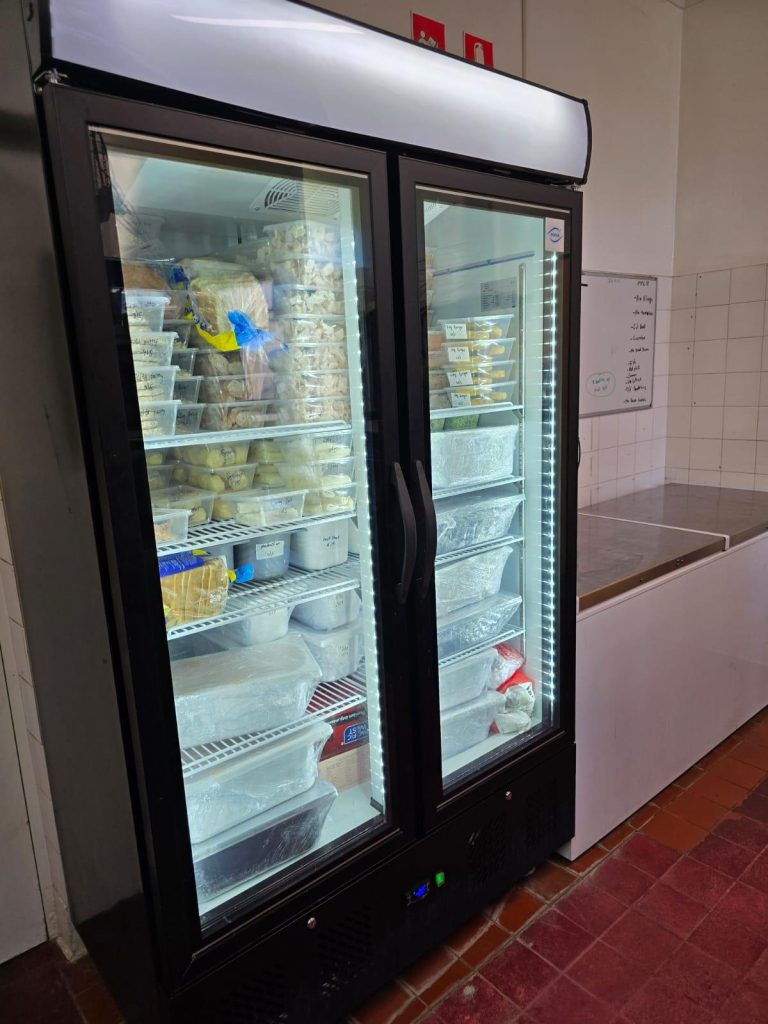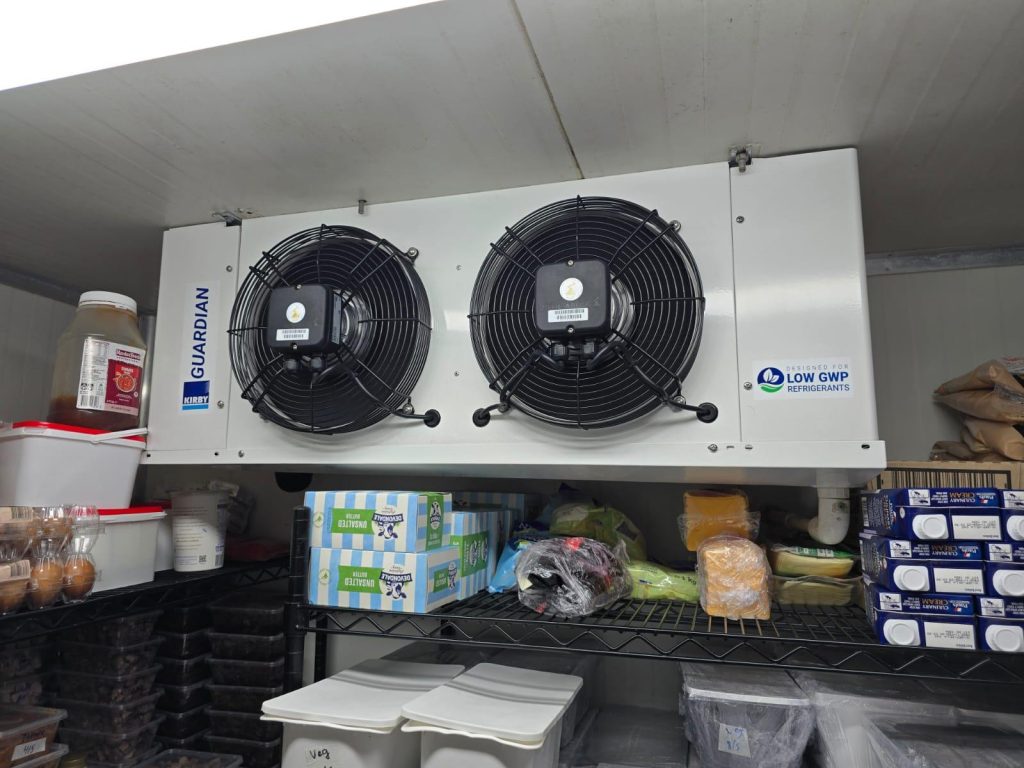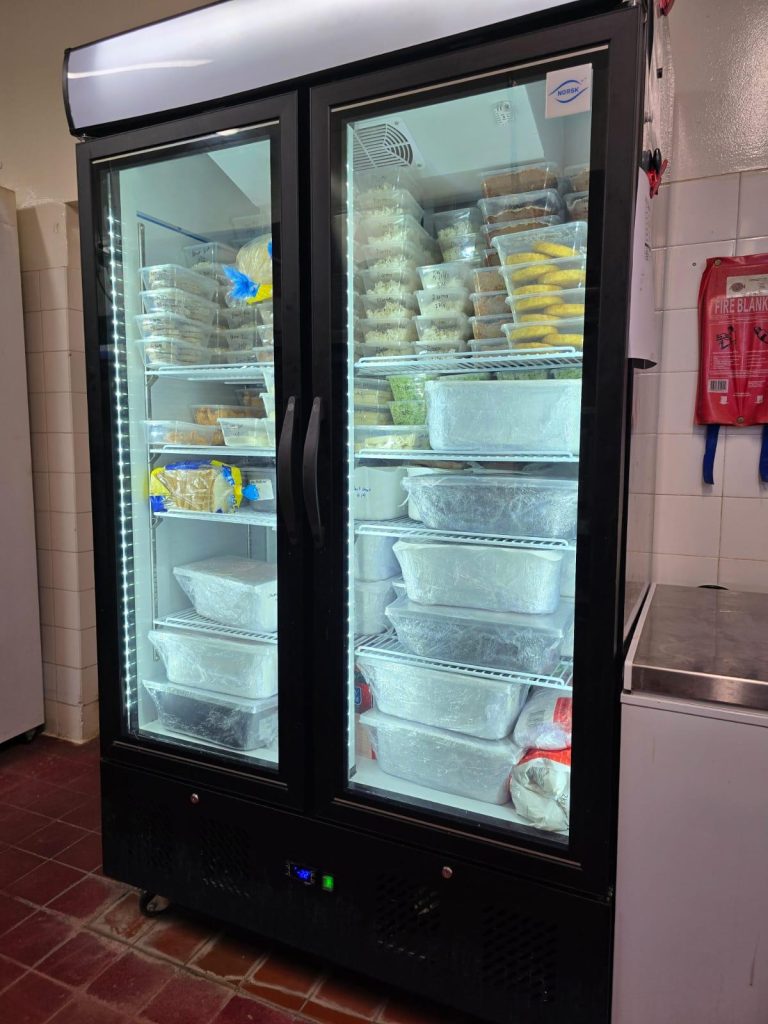
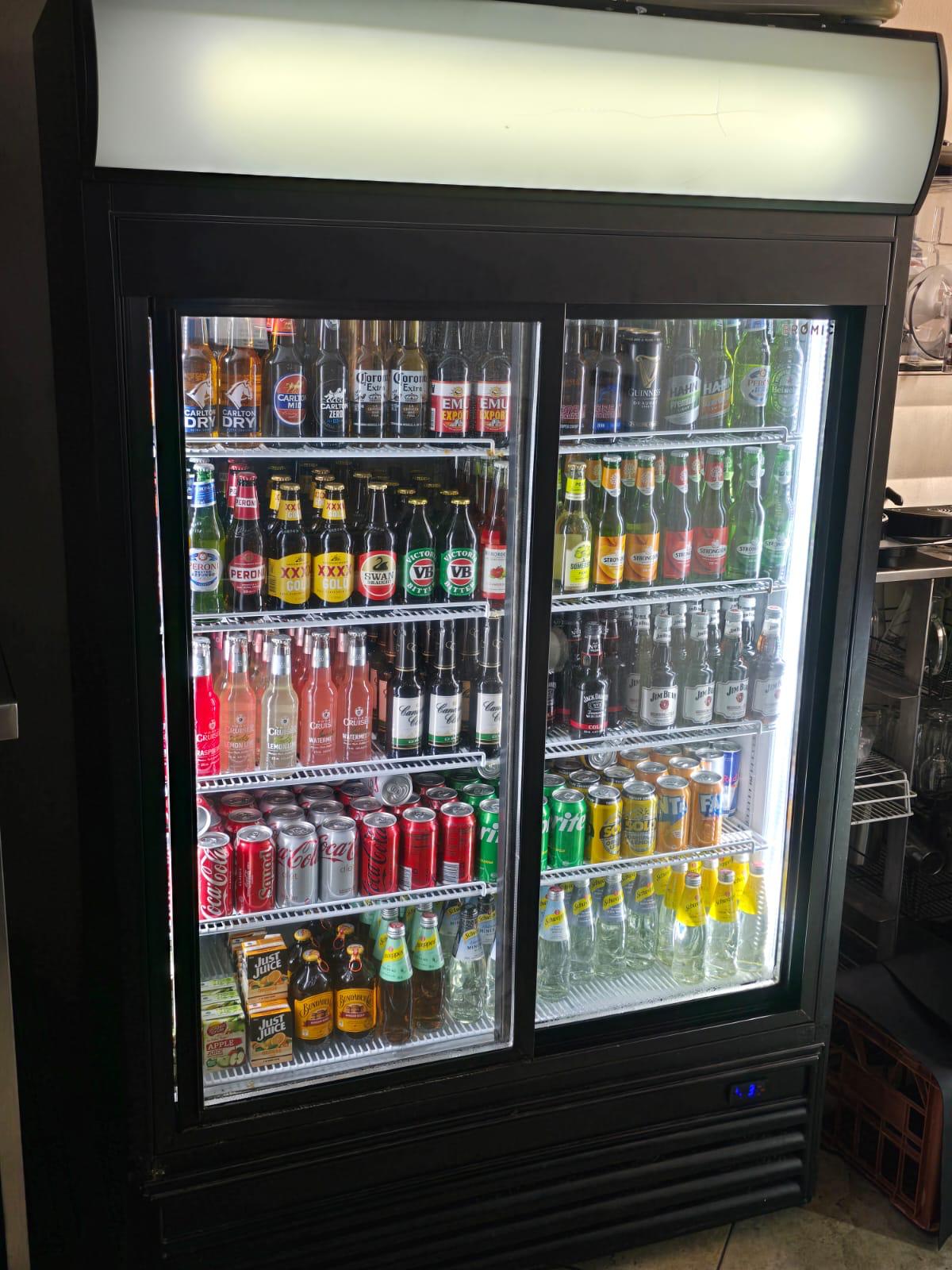
A commercial fridge that keeps switching on and off every few minutes may still be holding temperature, which makes it easy to ignore. In reality, it’s one of the clearer early warnings that something in the system isn’t working as it should, and it’s a fault that Commercial Refrigeration Repairs Perth technicians regularly trace back to controls, refrigerant charge, or heat rejection problems. Left alone, short cycling wears down the compressor, pushes up electricity costs, and can eventually lead to a much more expensive breakdown.
This guide explains what short cycling is, what normal compressor cycling looks like, the most common causes, and when it needs a professional repair.
What Is Short Cycling?
Short cycling is when a refrigeration compressor starts and stops far more often than it should, running for only a short time before shutting off and then starting again soon after. Instead of completing a proper cooling cycle, the system keeps interrupting itself.
It’s usually a symptom rather than a fault in its own right. Something is causing the compressor to shut off early, whether that’s a control, a safety switch, or a pressure problem, and identifying that trigger is the key to fixing it.
Why Does My Commercial Fridge Keep Turning On and Off?
A commercial fridge that keeps turning on and off is usually responding to one of a few triggers:
- A thermostat or temperature sensor that’s faulty, poorly positioned, or set incorrectly
- Low refrigerant causing the low-pressure safety switch to cut out
- Dirty condenser coils or a failed condenser fan causing high pressure or overheating
- The compressor’s thermal overload tripping due to heat or electrical problems
- An iced-up evaporator coil restricting airflow and refrigerant flow
- A system that’s oversized for the space it’s cooling
- Electrical faults, including failing start components or unstable voltage
The pattern can help narrow it down. A compressor that runs for a minute and stops with a click often points to a safety or overload cut-out, while one that cycles normally but far too frequently may point to controls or system sizing.
How Often Should a Commercial Refrigeration Compressor Cycle?
There isn’t a single correct figure, since cycling depends on the type of equipment, the temperature setting, the ambient conditions, and how often doors are opened. In normal operation, a compressor should run long enough to bring the cabinet down to temperature, then stay off for a reasonable period before starting again. Run times of only a minute or two, repeated over and over, are a sign of short cycling.
As a general rule, many compressor manufacturers recommend limiting starts to somewhere around 6 to 10 per hour, with a minimum run time of several minutes so the system can stabilise and oil can return to the compressor. Exact limits vary by compressor, so a technician will check against the specifications for your equipment.
Is Short Cycling Bad for a Compressor?
Yes. Starting is the hardest part of a compressor’s operation. Each start draws a surge of current, heats the motor windings, and puts mechanical stress on internal components. A compressor that starts dozens of times an hour is going through far more of that stress than it was designed for.
Short run times also mean the system rarely settles into stable, efficient operation, and oil that circulates with the refrigerant may not have time to return to the compressor properly. Over time, that combination leads to premature wear.
Can Low Refrigerant Cause Short Cycling?
Yes, and it’s one of the most common causes. Most commercial refrigeration systems have a low-pressure safety switch that shuts the compressor off if suction pressure drops too far. When refrigerant is low due to a leak, pressure falls quickly once the compressor starts, the switch trips, the pressure recovers while the compressor is off, and the cycle repeats.
Because refrigerant doesn’t get used up, low refrigerant almost always means there’s a leak. Simply adding more gas won’t fix the problem, and the leak needs to be found and repaired by a licensed technician before the system is recharged.
Can a Faulty Thermostat Cause It?
Yes. The thermostat or temperature controller tells the compressor when to start and stop. If it’s faulty, it may switch the compressor on and off erratically. If the temperature probe is positioned too close to the evaporator coil or in the path of cold air, it can sense the cabinet as cold sooner than it really is and shut the compressor off early.
Settings can also be the issue. Many electronic controllers have a differential setting, which is the temperature range between cut-in and cut-out. If this range is set too narrow, the compressor will turn on and off more frequently than necessary. Controller faults and settings should be checked by a technician, since adjustments affect food safety temperatures as well as compressor life.
Can Dirty Condenser Coils Cause Short Cycling?
Yes. Condenser coils release heat from the system, and when they’re clogged with dust, grease, or debris, pressure and temperature on the high side of the system rise. This can trigger the high-pressure safety switch or the compressor’s thermal overload, shutting the compressor down until it cools or pressure drops, after which it starts again.
A failed condenser fan or poor ventilation around the unit, such as a fridge pushed hard against a wall or installed in a hot, enclosed space, can cause the same problem. Regular condenser cleaning is one of the easiest ways to prevent this type of short cycling.
Can an Oversized Refrigeration System Cause It?
Yes. If the refrigeration system has much more capacity than the space actually needs, it pulls the temperature down very quickly, reaches its set point, and shuts off. The temperature then rises again just as quickly, and the cycle repeats. The result is a system that’s constantly starting and stopping without ever running for long enough.
Oversizing is more common in cool rooms and custom installations, particularly where equipment was chosen without proper load calculations or where the use of the space has changed since installation. In some cases, controls can be adjusted to reduce the impact, but correct sizing at the design stage is the best solution.
Does Short Cycling Increase Electricity Use?
Yes. Each compressor start draws a surge of current that’s significantly higher than its normal running current. When that happens many times an hour, the extra energy adds up. A short cycling system also spends much of its time getting up to operating conditions rather than running efficiently, so it does less useful cooling for the power it uses.
Higher electricity bills without any change in how the business is using its refrigeration can be one of the first signs that a system has started short cycling.
Can Short Cycling Damage the Compressor?
Yes, and that’s the main reason it shouldn’t be ignored. Repeated starts overheat the motor windings, wear out start components such as capacitors and relays, and increase mechanical wear inside the compressor. Poor oil return during short run times can also reduce lubrication.
Over time, short cycling can lead to burnt-out windings, a failed compressor, or a compressor that won’t start at all. Because the compressor is the most expensive component in the system, fixing the cause of short cycling early is far cheaper than replacing a compressor later.
When Does It Require Professional Repair?
Short cycling should be inspected by a professional whenever it’s noticeable or ongoing. Owners and staff can check that the condenser area isn’t blocked, the fridge has space around it for airflow, doors are closing properly, and the temperature settings haven’t been changed. Beyond those basic checks, the most common causes involve refrigerant, pressure controls, electrical components, or controller settings, all of which need a qualified technician.
It’s especially important to call for a repair if short cycling comes with clicking noises, rising temperatures, a hot compressor, breaker trips, or higher energy bills, since these can indicate the compressor is already under significant strain.
Stop Short Cycling Before It Becomes a Compressor Failure
A commercial fridge that keeps turning on and off is rarely a minor quirk. Whether it’s low refrigerant, dirty coils, a faulty control, or an oversized system, the underlying cause is putting extra wear on your compressor every hour it continues.
If your commercial fridge, freezer, or cool room is short cycling, get in touch with our team or call 1300 164 217 to have it diagnosed and repaired.