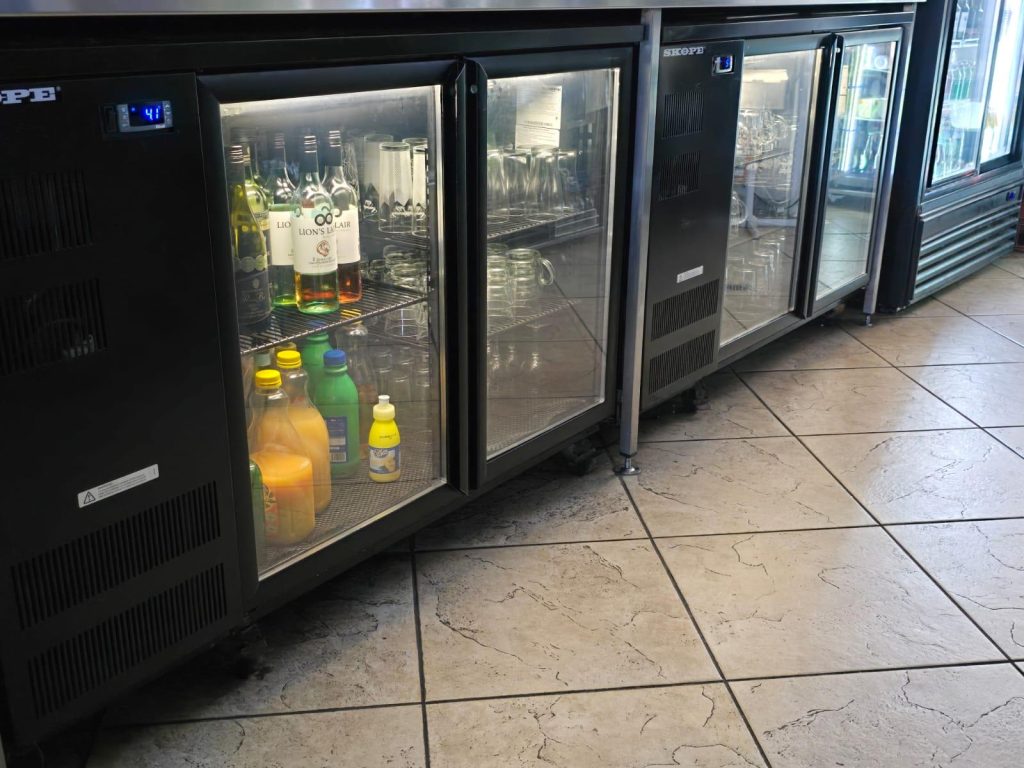
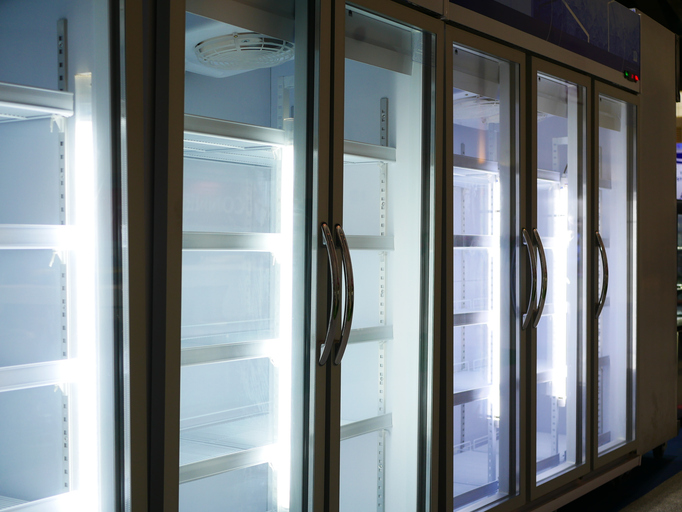
For most hospitality, retail, medical, and cold storage businesses, a commercial freezer should usually be set between -18°C and -22°C. If you are asking how cold should a commercial freezer be, -18°C is the key minimum benchmark for frozen storage.
Refrigwest provides commercial freezer repairs Perth businesses rely on when freezer temperatures start rising, stock begins softening, or equipment struggles to hold temperature during busy trading periods.
The right freezer temperature protects stock, supports food safety, preserves quality, and reduces strain on equipment. The wrong temperature can lead to thawing, freezer burn, waste, compliance concerns, higher energy use, and breakdowns.
What is the best temperature for a commercial freezer?
The best temperature for a commercial freezer is generally -18°C to -22°C for standard frozen storage. This range gives the system enough buffer to keep products frozen when doors are opened, new stock is loaded, or the room temperature around the unit rises.
A freezer set at exactly -18°C may be suitable when it is performing well, but it gives less room for temperature movement. In busy Perth kitchens, cafés, supermarkets, bottle shops, bakeries, butchers, and food production sites, freezers are opened constantly. A set point closer to -20°C or -22°C can help the unit recover after short temperature spikes.
Australian food safety guidance focuses on frozen food staying frozen hard, while the Food Safety Information Council recommends keeping frozen food at -18°C or below. So, what should a commercial freezer be set at? For most businesses, aim for -18°C to -22°C, then confirm the actual air and product temperature with a reliable thermometer.
Why commercial freezer temperature matters
The temperature of a commercial freezer affects more than whether food feels cold. It influences food safety, shelf life, product quality, energy use, and equipment performance.
At around -18°C or below, frozen products should remain solid and stable. This helps slow deterioration and protects texture, flavour, appearance, and storage life. If the freezer rises above its target range for too long, stock may begin to soften or partially thaw. Once this happens, the product can lose quality even if it later refreezes.
Frozen desserts may become icy or grainy, meat and seafood can lose moisture, and packaged frozen foods can develop texture changes. For a business, a freezer running too warm can interrupt service, create waste, increase staff pressure, damage customer trust, and raise the risk of compliance issues.
What is the temperature range for commercial freezers?
The standard commercial freezer temperature range is generally -18°C to -22°C, but the ideal setting depends on the freezer type, product type, and how often the unit is accessed.
Reach-in freezers and upright commercial freezers usually operate well within the standard range when the doors seal properly, vents are clear, and airflow is not blocked.
Walk-in freezer rooms also commonly sit within this range, but consistency is critical because they are often accessed by multiple staff throughout the day. Door discipline, strip curtains, shelving layout, and fan performance all affect how cold the freezer stays.
Display freezers need regular monitoring because warm air can enter more often during customer or staff access. Blast freezers and specialised systems are designed to pull temperature down quickly and may operate much colder than a standard storage freezer. These should be set according to product requirements, system design, and manufacturer instructions.
What happens if a commercial freezer is too warm?
If a commercial freezer is too warm, stock can soften, thaw, or refreeze unevenly. This may shorten shelf life, reduce product quality, and increase waste. If the freezer cannot hold -18°C or below, the issue should be investigated quickly.
A freezer that sits above its target temperature may also take longer to recover after doors are opened. Over time, this can create a cycle where the compressor runs harder, energy costs rise, and parts wear faster.
Common warning signs include soft stock, uneven freezing, ice build-up, water around the unit, unusual noises, a freezer that runs constantly, temperature alarms, or a display reading that does not match an independent thermometer.
The cause may be blocked airflow, dirty condenser coils, damaged door seals, a faulty thermostat, low refrigerant, fan failure, defrost issues, or compressor stress. Because several faults can look similar, proper diagnosis is important before replacing parts.
Can a commercial freezer be too cold?
Yes. While too warm is the bigger concern, setting a commercial freezer colder than necessary can waste energy and place extra strain on the system. It can also make stock harder to handle and may contribute to excessive frost if door seals, defrost controls, or airflow are already poor. The aim is to keep stock consistently frozen within the correct range for your products and operating conditions.
Why Perth businesses often see freezer temperature problems
Commercial freezers in Perth often work under demanding conditions. Hot weather, warm kitchens, frequent door openings, heavy stock loads, and poor ventilation can all make it harder for a freezer to maintain temperature.
Overstocking is a common issue. When boxes block vents or shelving is packed too tightly, cold air cannot circulate properly. Even a freezer with healthy components can struggle if airflow is restricted.
Dirty condenser coils are another common cause. Dust, grease, lint, flour, and kitchen debris can stop the system from rejecting heat efficiently. The freezer may still run, but it has to work harder and may struggle to reach the correct temperature.
Door seals also matter. A split, loose, or compressed gasket lets warm air enter and cold air escape. This can cause temperature drift, frost, ice build-up, longer run times, and higher energy use.
How to keep a commercial freezer at the right temperature
Check freezer temperatures daily with a reliable thermometer, not only the built-in display. Record readings so you can spot changes early. If the freezer usually sits at -21°C and starts holding at -16°C, that pattern should be checked before stock is lost.
Keep doors closed where possible, avoid overloading shelves, leave vents clear, and make sure staff report unusual noises, frost, soft stock, or temperature alarms quickly. Clean accessible areas around the unit and keep external airflow clear, but leave electrical, refrigerant, fan, and compressor work to a qualified technician.
Routine maintenance is one of the best ways to prevent freezer temperature issues. A technician can check coils, fans, door seals, controllers, drains, defrost operation, refrigerant condition, electrical components, and overall system performance before a small issue becomes a breakdown.
When to call Refrigwest
Call Refrigwest if your commercial freezer cannot hold -18°C or below, stock is softening, alarms are repeating, ice is building up, the compressor is running constantly, or the freezer cools briefly and then warms again.
You should also book a technician if the temperature display does not match an independent thermometer, the unit trips power, or the freezer struggles during hot weather and busy service periods.
A commercial freezer should not just reach the right temperature once. It should hold it consistently, even when your business is under pressure. If your freezer is not maintaining the right temperature, Refrigwest can help, contact us today!