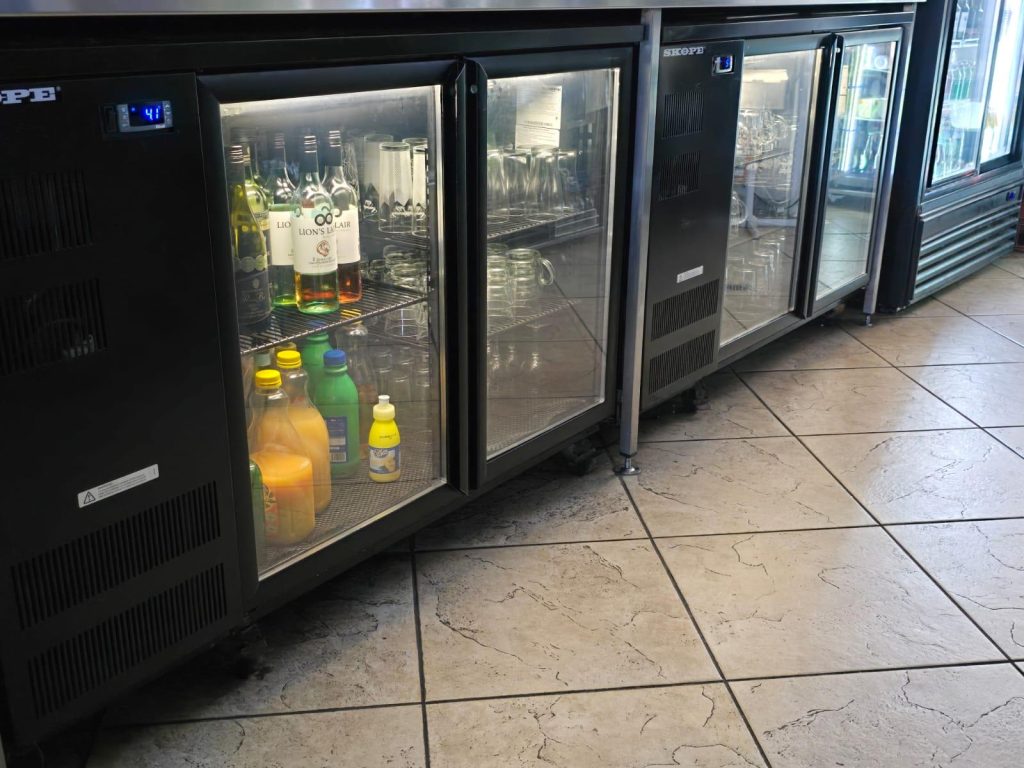
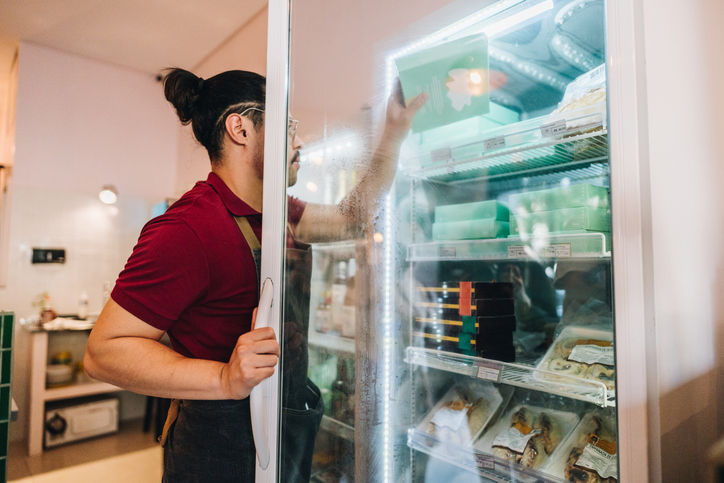
A commercial refrigerator not cooling is a serious issue for any food, beverage, hospitality, retail, or medical business. When temperatures rise, stock can spoil, service can be interrupted, and food safety risks can increase quickly.
At Refrigwest, our Commercial Refrigeration Perth technicians help local businesses diagnose and repair warm fridges, failing cool rooms, underperforming freezers, and refrigeration systems that cannot hold temperature in Perth conditions.
This guide explains what to check first, the most common causes of poor cooling, and when it is time to call a licensed refrigeration technician.
What to do first if your commercial fridge is not cooling
When a commercial fridge starts running warm, act quickly. Check the cabinet temperature with a separate thermometer if possible, especially if the display panel seems unreliable. Record the time, the temperature, and any symptoms such as unusual noise, water leaks, ice build-up, or power issues.
If you store temperature-sensitive food, stock safety should come first. Potentially hazardous food generally needs to be kept at 5°C or colder. If your fridge is above safe temperature, move stock to another working fridge, freezer, cool room, or approved cold storage option as soon as possible.
Keep the fridge door closed as much as possible. Every time the door opens, warm air enters the cabinet and makes the system work harder. If the fridge is already struggling, unnecessary door openings can make the temperature rise even faster.
Safe checks before calling a technician
Before assuming the worst, there are a few simple checks you can do safely.
Start with the power supply. Make sure the unit is switched on, plugged in, and has not tripped a breaker. If the breaker keeps tripping, stop resetting it. Repeated tripping can point to an electrical fault, compressor issue, motor problem, or water-related fault.
Next, check the temperature setting. A thermostat or digital controller may have been bumped during cleaning, stock loading, or service. Confirm the set temperature is correct for the stock you are storing. If the display temperature does not match the real cabinet temperature, the controller, probe, or thermostat may need professional diagnosis.
Door seals are another common cause of cooling problems. Split, loose, dirty, or compressed seals allow warm air to enter and cold air to escape. You may notice condensation near the door, frost build-up, uneven temperatures, or a door that does not close firmly. A simple paper test can help: close the door on a piece of paper and gently pull. If it slides out with little resistance, the seal may not be holding properly.
Airflow also matters. Commercial fridges need space for cold air to move through the cabinet. Overstocked shelves, boxes pushed against vents, or product stacked too tightly can stop the fridge from cooling evenly. Move stock away from vents and leave small gaps so air can circulate.
Common reasons a Commercial Fridge is not cold enough
One of the most common reasons a commercial fridge is not cooling properly is dirty condenser coils. These coils help remove heat from the system. In commercial environments, they can quickly collect dust, grease, flour, lint, and kitchen debris. When the coils are blocked, the fridge has to work harder, the compressor runs longer, and the cabinet temperature may rise.
This is especially important in Perth, where hot weather can expose weak refrigeration performance. A unit that copes during cooler months may struggle during summer, peak service, or heavy door use.
Damaged door seals can create similar problems – Even a small gap can let warm air into the cabinet all day. Over time, this can cause temperature instability, ice build-up, higher energy use, and extra strain on the compressor. Replacing worn seals early is usually much cheaper than waiting until a larger fault develops.
A faulty thermostat, probe, or controller can also stop the fridge from cooling correctly – If the system is receiving the wrong temperature reading, it may stop cooling too early, run too long, short cycle, or show a display temperature that does not reflect the actual cabinet temperature.
If your fridge is running but not cooling, the issue may also be with the evaporator fan – This fan moves cold air through the cabinet. When it fails, slows down, or becomes blocked by ice, the fridge may be cold in one area and warm in another. You may notice weak airflow, a change in fan noise, or ice forming around the evaporator.
Ice build-up should never be ignored – It can block airflow and prevent the unit from cooling properly. It may be caused by door seal problems, doors being left open, a defrost fault, a blocked drain, low refrigerant, or a fan issue. Do not chip ice off coils with a knife, screwdriver, or sharp tool, as this can puncture the coil and cause a major refrigerant leak.
A condenser fan fault can also lead to poor cooling – If the fan is not removing heat from the system, the compressor area may become unusually hot. The fridge may cool briefly, then warm up again, or it may shut down intermittently.
Low refrigerant is another possible cause, but refrigerant does not simply “run out” like fuel – If the charge is low, there is usually a leak or system fault. Signs can include weak cooling, longer run times, ice in unusual places, hissing sounds, or oily residue near pipework. Refrigerant work is not a DIY repair and must be handled by a licensed technician.
Compressor faults are more serious – Warning signs include buzzing, clicking, overheating, repeated power trips, or a fridge that runs but does not cool. However, not every cooling issue means the compressor has failed. Sometimes the real cause is a dirty condenser, failed fan, control fault, electrical issue, or refrigerant problem. Proper diagnosis can prevent unnecessary replacement.
Why your fridge may cool overnight but warm up during the day
A commercial fridge that cools overnight but warms during trading hours is often struggling under load. Frequent door openings, hot kitchen conditions, overstocking, blocked vents, dirty condenser coils, or weak fans can all contribute.
This issue is common in cafés, restaurants, bars, bottle shops, delis, food prep areas, and retail spaces where fridges are opened constantly. If the unit only fails during busy periods, the problem may be airflow, heat load, maintenance, or system performance rather than a simple temperature setting.
When to call Refrigwest
Call a technician if your commercial fridge cannot hold temperature after the basic checks, or if stock is already at risk. You should also book urgent support if the unit keeps tripping power, the compressor is clicking or overheating, there is heavy ice build-up, the fridge cools briefly then warms again, or you suspect a refrigerant leak.
Refrigwest provides commercial refrigeration repairs across Perth for fridges, freezers, cool rooms, and business-critical refrigeration systems. Our technicians can check cabinet temperature, airflow, coils, fans, controls, door seals, defrost operation, electrical components, refrigerant condition, and overall system performance.
The aim is not just to get the fridge cold temporarily. It is to find the cause of the failure, repair it properly, and reduce the chance of another breakdown during service.
How to prevent future cooling problems
Preventive maintenance is one of the best ways to avoid emergency breakdowns. Regular servicing can help identify dirty coils, worn door seals, weak fans, blocked drains, controller issues, and early signs of system stress before they turn into major faults.
Busy commercial sites should be especially proactive before summer. Perth heat, heavy stock loads, and frequent door openings can push older or poorly maintained refrigeration systems past their limits.
Staff habits also make a difference. Keep doors closed between uses, avoid overloading shelves, leave vents clear, report unusual noises early, and monitor temperatures daily. If the same fridge keeps running warm, treat it as a warning sign rather than a one-off issue.
Need help with a commercial refrigerator not cooling?
A warm commercial fridge can quickly affect stock, service, and food safety. If your fridge is not cooling, your cool room temperature is rising, or your freezer is showing warning signs, Refrigwest can help.
Call 1300 164 217 or contact Refrigwest to book a service.