A freezer leaking water is not something to ignore, especially if the leak keeps coming back. A small puddle may look like a simple spill at first, but water leaking from a freezer can point to blocked drainage, melting ice, a damaged door seal, temperature fluctuation or a defrost system fault.
If you are asking, why is my freezer leaking water, the answer usually depends on where the water is appearing. Water inside the cabinet, under the unit, around the door or near the back of the freezer can all point to different issues.
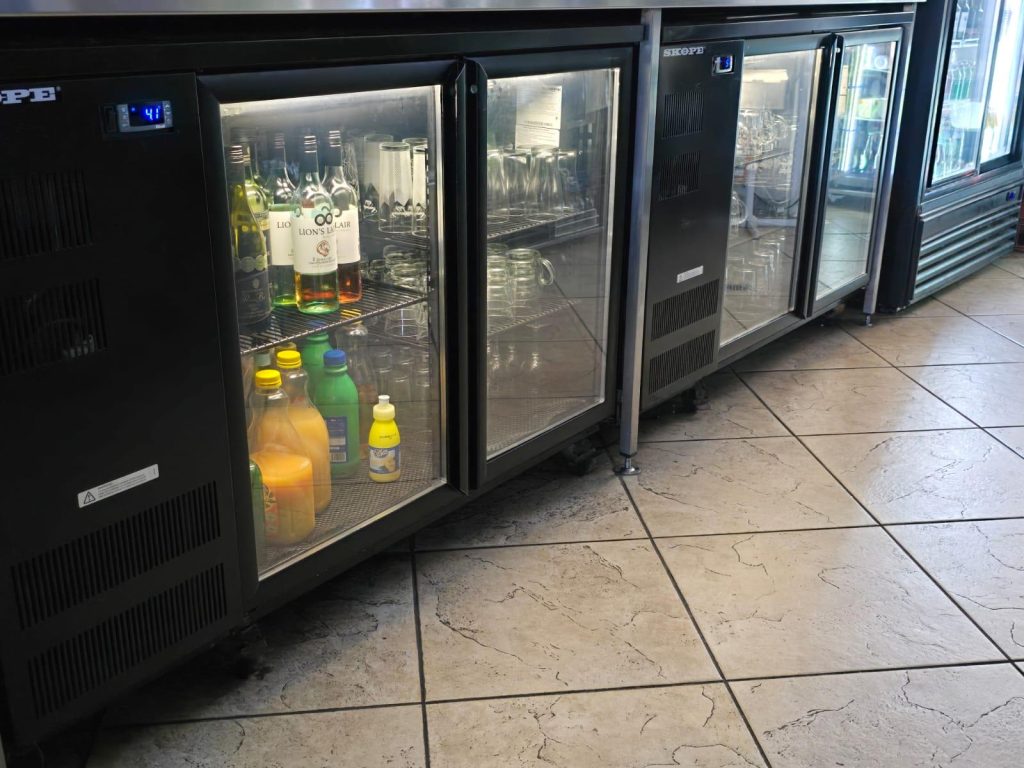
For Perth customers dealing with repeated leaks, professional Commercial Freezer Repairs Perth services can help identify the cause before it leads to stock loss, water damage, slip hazards or further equipment strain.
Is It Normal for a Freezer to Leak Water?
A freezer should not leak water during normal operation. Water may appear when you manually defrost the unit, clean it out or switch it off and allow ice to melt. In those cases, the water has a clear cause.
A leak during regular use is different. If water keeps pooling on the floor, collecting inside the cabinet or appearing near the door, the freezer is not managing moisture, drainage or temperature properly.
A freezer leaking water can also create secondary problems. It can damage flooring, create slip risks and affect nearby electrical equipment. If the freezer is storing food or stock, a leak may also suggest that the unit is not holding temperature as it should.
What Causes This to Happen?
Most freezer leaks happen for one of three reasons: water cannot drain away, warm air is entering the cabinet or the freezer is not staying cold enough.
The location of the leak often gives the best clue. Water inside the freezer may point to a blocked defrost drain or melting ice. Water near the door may suggest a damaged seal. Water underneath the freezer may involve the drain pan, levelling or thawing from ice build-up.
Below are some of the common reasons this issue happens in the first place:
Blocked Defrost Drain
A blocked defrost drain is one of the most common reasons for water leaking from a freezer. During a normal defrost cycle, melted frost should travel through the drain and into a drip pan. If ice, food particles or debris block the drain, water can back up into the cabinet or leak onto the floor.
You may notice water pooling at the bottom of the freezer, ice forming near the drain or a leak that returns after being wiped away. If the drain is visible and only lightly blocked, you may be able to clear surface debris. If the blockage is frozen deeper inside the system or hidden behind panels, a technician should inspect it.
Ice Build-Up Melting
Excessive ice can turn into water when the freezer runs through a defrost cycle or struggles to maintain temperature. This is common when vents are blocked, the door seal is damaged or warm air keeps entering the cabinet.
If you see heavy frost on the back wall, ice around the fan area or water appearing after the freezer cycles, the leak may be linked to ice build-up rather than a simple spill.
Repeated ice and water usually means the freezer needs more than cleaning. It needs the cause of the moisture problem corrected.
Damaged or Loose Door Seals
Door seals keep cold air inside and warm air outside. If the seal is cracked, dirty, loose or not closing evenly, warm humid air can enter the freezer. That moisture can freeze into ice and later melt into water.
A door seal problem may cause water near the front of the freezer, frost around the door or a door that does not close firmly. You may also notice the freezer running longer than usual as it tries to compensate for cold air loss.
Clean the seal and check for gaps, splits or sections that have pulled away from the cabinet. If the seal no longer grips properly, it may need repair or replacement.
Drain Pan or Drain Line Problems
Many freezers collect defrost water in a drain pan underneath or behind the unit. The water usually evaporates over time. If the drain pan is cracked, full, dirty or out of position, water may leak onto the floor.
A blocked or damaged drain line can create the same issue. The freezer may still cool, but water has nowhere to go during defrost cycles. If the cabinet looks dry but water keeps appearing underneath, the drain pan or drain line may be involved.
Incorrect Levelling
A freezer that is not level may not drain water correctly. Instead of flowing toward the drain, water can collect in the wrong area and leak through the door or bottom of the unit.
Check whether the freezer sits evenly and whether the door closes properly. If the unit has adjustable feet, levelling may help. If the leak continues after adjustment, another drainage or defrost issue may be present.
Temperature Control Problems
A freezer leaking water can also mean the unit is not staying cold enough. If stored items are softening, ice is melting or the temperature is rising and falling, the leak may be caused by thawing rather than drainage alone.
Temperature issues can come from dirty condenser coils, a thermostat fault, fan problems, compressor strain or a defrost system fault. If the leak appears with poor freezing performance, arrange a professional inspection.
For leaks linked to temperature instability, drainage or airflow faults, Refrigwest provides commercial refrigeration repairs and servicing to identify the cause and recommend the right repair.
What Can You Safely Check First?
Before calling a technician, run through a few safe checks:
- Check whether the freezer door closes fully.
- Inspect the door seal for cracks, gaps or food residue.
- Look for water inside the cabinet, near the door or underneath the unit.
- Check for heavy frost or ice build-up around the back wall.
- Move stock away from vents and drainage areas.
- Confirm the freezer is holding its set temperature.
- Note whether the leak appears constantly or after a defrost cycle.
- Keep the floor dry to reduce slip risk.
Do not remove internal panels, use sharp tools to break ice, access wiring or interfere with refrigerant components. These actions can damage the freezer and create safety risks.
When Should You Call a Technician?
A freezer leaking water needs professional attention when the leak keeps returning, water is pooling near electrical areas, the freezer is not holding temperature or heavy ice keeps forming after cleaning.
You should also arrange an inspection if:
- water is leaking from underneath the freezer
- the defrost drain appears blocked or frozen
- the fan is scraping against ice
- the door seal is damaged
- stored items are softening
- the freezer is running constantly
- the leak appears with unusual noises
- the floor is becoming a slip hazard
Should you turn the freezer off? Only do so if there is a safety concern, electrical smell, visible damage or manufacturer guidance to shut the unit down. If the freezer contains stored food or stock, switching it off without a plan can put items at risk.
Repair it Earlier Rather than Later
A freezer leak may start as a small puddle, but it can point to a drainage, defrost, airflow or temperature control issue. If the cause is left unresolved, the freezer may continue leaking, develop heavier ice build-up, strain the compressor or fail to protect stored items properly.
Early diagnosis helps prevent water damage, stock loss and unexpected breakdowns. If your freezer is leaking water and you are not sure what is causing it, Refrigwest can inspect the unit, identify the issue and recommend the right repair.
Contact Refrigwest to book a service inspection.