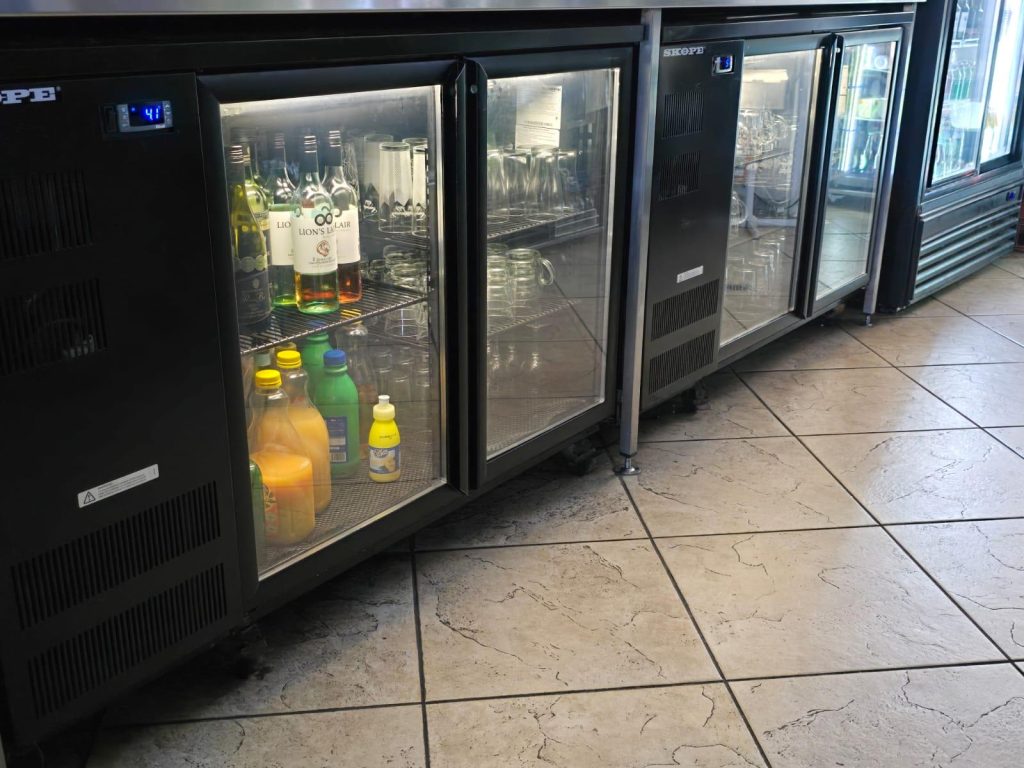
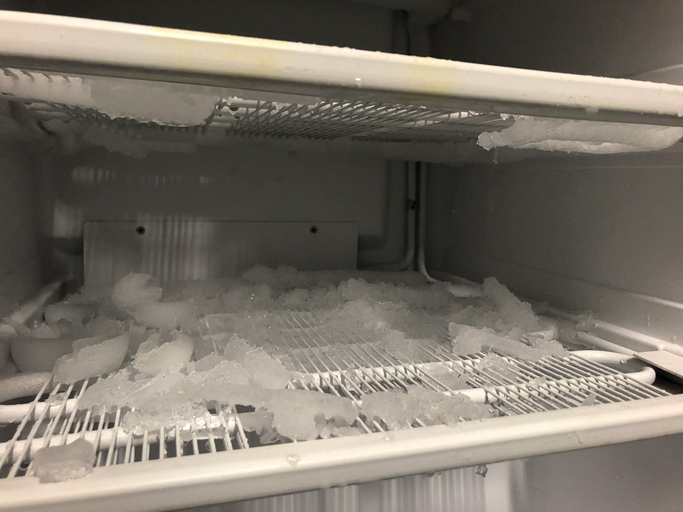
Freezer ice build-up is a common sign that something inside the unit is not working as efficiently as it should. A thin layer of frost can happen from time to time, especially when the door is opened regularly. However, heavy ice forming on the walls, around the door, near vents or close to the fan housing usually points to a deeper issue.
If you are asking, why is my freezer icing up, the cause often comes down to warm air entering the cabinet, poor airflow, blocked vents, a damaged door seal or a fault in the defrost system. Left unresolved, freezer ice build-up can affect temperature stability, increase energy use and place unnecessary strain on the unit.
For Perth business owners dealing with repeated ice problems, professional Commercial Freezer Repairs Perth services can help identify the cause before it leads to stock loss, equipment damage or a full breakdown.
Is Freezer Ice Build-Up Always a Problem?
Not always. A small amount of frost can appear when warm, humid air enters the freezer during normal use. This may happen when the door is opened often, when hot food is placed inside too soon, or when the freezer is operating in a humid environment.
The concern starts when the ice keeps returning quickly after cleaning, spreads across internal vents, forms around the fan area or makes the door harder to close. Excessive frost in a freezer is not just a cosmetic issue. It can restrict airflow, reduce storage space and force the compressor to work harder to hold the correct temperature.
If the freezer ice build-up is getting worse over time, it is usually a sign that the unit needs attention.
What are the Common Causes?
Most freezer ice build-up starts with moisture. When warm air enters the freezer, the moisture in that air condenses and freezes on cold surfaces. The more warm air enters, the faster ice forms.
This can happen through everyday use, especially if the freezer door is opened often. However, repeated or excessive ice build-up in a freezer usually points to an issue with sealing, airflow, defrosting, drainage or temperature control.
Understanding where the ice is forming can help narrow down the cause.
Damaged or Loose Door Seals
The door seal keeps cold air inside and warm air outside. If the seal is cracked, dirty, loose or no longer closing tightly, warm humid air can leak into the freezer and freeze.
This often causes frost around the door, ice near the front of shelves or a freezer door that does not close properly. If the seal has gaps, feels brittle or pulls away from the cabinet, it may need to be cleaned, adjusted or replaced.
Frequent Door Opening
Every time the freezer door opens, warm air enters. In busy households, cafés, kitchens or food storage areas, repeated door opening can quickly increase moisture inside the unit.
This does not always mean the freezer is faulty. However, if the door is left open for too long or does not close properly afterwards, ice can build up faster than the system can manage.
Keeping stock organised and reducing unnecessary door opening can help limit freezer frost build-up.
Blocked Internal Vents
Freezers rely on clear airflow to circulate cold air evenly. If food, boxes or containers block the vents, cold air cannot move properly.
This can create uneven cooling, frost patches and ice build-up around certain areas of the cabinet. If you notice ice forming mostly near the back wall or around vents, airflow may be restricted.
Move items away from vent openings and avoid overloading the freezer.
Faulty Defrost System
Many freezers use an automatic defrost system to prevent ice from building up on the evaporator coil. If the defrost heater, timer, thermostat or sensor fails, frost can build up behind internal panels and eventually affect the fan.
Signs of a defrost fault include heavy frost on the back wall, reduced airflow, rising temperatures or a fan that sounds like it is scraping against ice.
This is not a DIY repair. Defrost system faults require proper testing by a licensed refrigeration technician.
Evaporator Fan Problems
The evaporator fan helps move cold air through the freezer. If ice blocks the fan or the fan motor begins to fail, the freezer may develop frost patches, uneven temperatures or unusual noises.
If you hear scraping, grinding or clicking near the fan area, ice may be interfering with the blades. Continuing to run the freezer in this condition can damage the fan motor and lead to more expensive repairs.
For issues involving fan faults, airflow problems or recurring ice, Refrigwest’s refrigeration repairs and servicing can help diagnose the underlying cause.
Incorrect Temperature Settings
Setting the freezer too cold can sometimes contribute to unnecessary frost. A freezer should maintain a stable temperature, not simply run as cold as possible.
If the setting was changed recently, check whether it matches the recommended range for the unit. If the temperature keeps rising and falling, the thermostat or control system may need inspection.
What Can You Safely Check First?
Before calling a technician, there are a few safe checks you can do:
- Check that the freezer door closes fully.
- Inspect the door seal for cracks, gaps or food residue.
- Move stock away from vents and fan areas.
- Avoid overloading the freezer.
- Look for excess frost around the back wall or door.
- Monitor whether the freezer is holding temperature.
- Note how quickly the ice returns after being cleared.
Do not chip ice away with sharp tools, remove internal panels, interfere with wiring or access refrigerant components. These actions can damage the freezer and create safety risks.
When Does Freezer Ice Build-Up Need Repair?
Freezer ice build-up needs professional attention when it returns quickly, blocks airflow, forms around the fan, affects the door seal or appears alongside temperature issues.
You should also book an inspection if:
- the freezer is running constantly
- the door is not sealing properly
- the freezer is leaking water
- the fan is scraping or grinding
- stock is softening or not staying frozen
- the temperature is rising or fluctuating
- heavy frost keeps forming after cleaning
Should you turn the freezer off? Only if there is a safety concern, visible damage, electrical smell or manufacturer guidance to do so. If the freezer contains stored products, switching it off without a plan can put items at risk.
Early Repair Can Prevent Bigger Freezer Problems
Freezer ice build-up is often a warning sign that moisture, airflow or defrost control is not working properly. While the issue may start small, it can quickly place strain on the compressor, block circulation, damage fan components and affect temperature stability.
The earlier the cause is found, the easier it is to prevent larger repairs. A worn door seal, blocked vent or minor defrost issue is much easier to fix before it leads to stock loss or equipment failure.
If you are dealing with recurring freezer ice build-up and are not sure what is causing it, Refrigwest can inspect the unit, identify the fault and recommend the right repair.
Contact Refrigwest to book a service inspection.