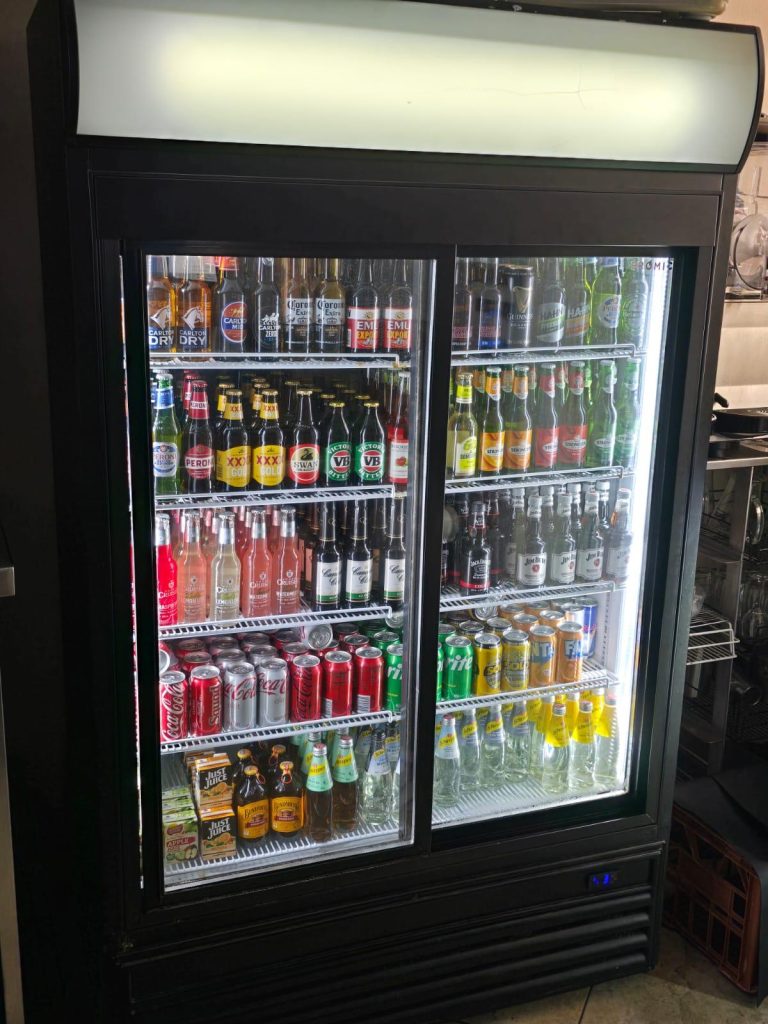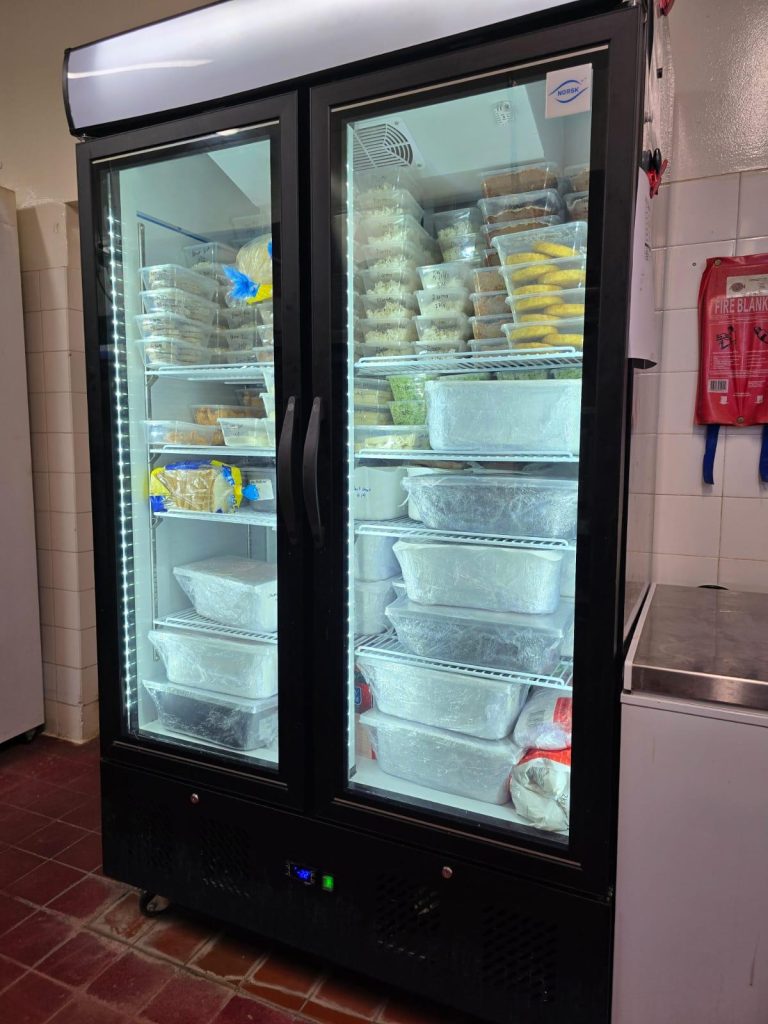
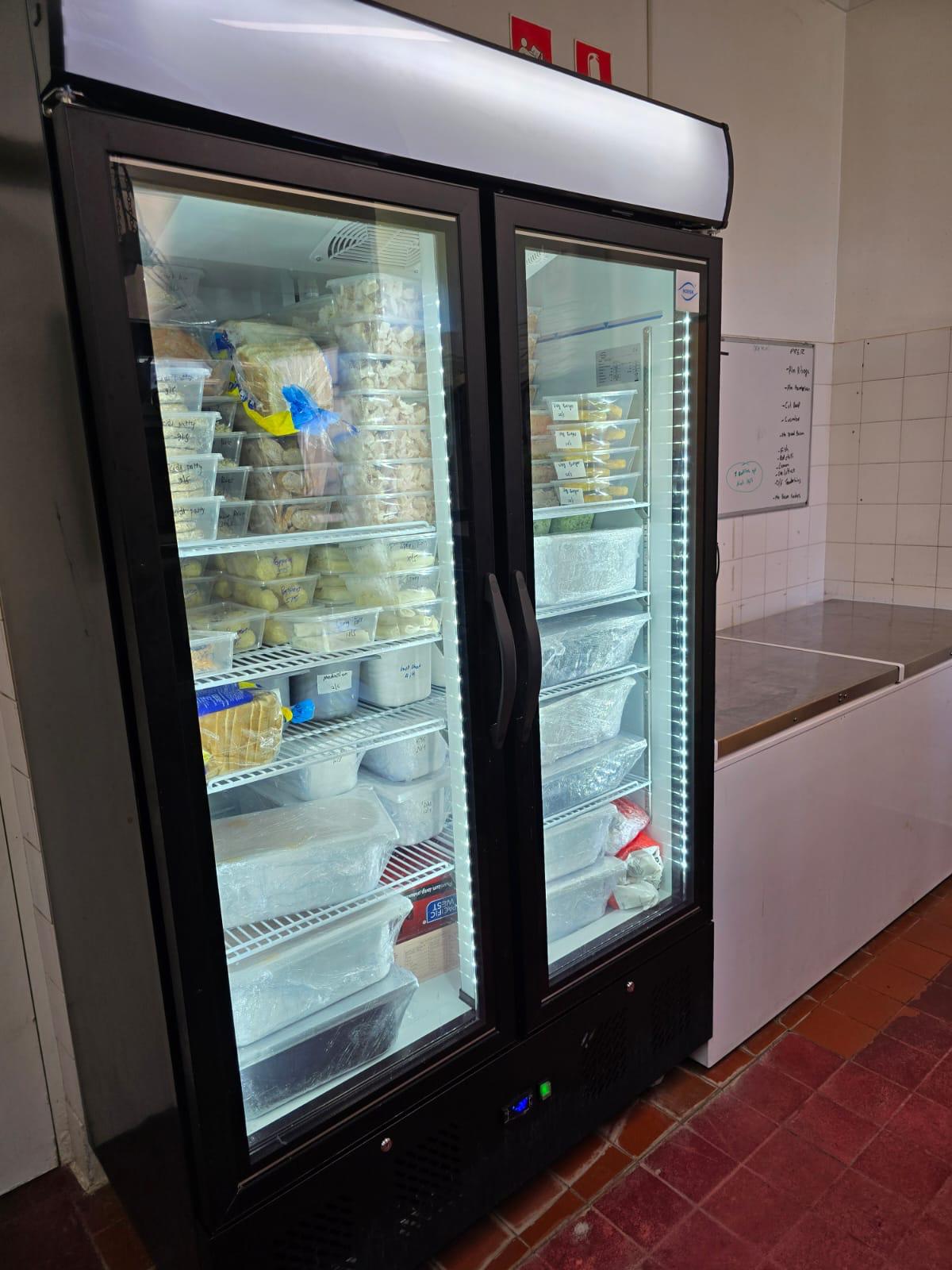
Display fridges work harder than almost any other piece of commercial refrigeration, with glass doors or open fronts, constant customer access, and product that needs to look good while staying at a safe temperature. When something goes wrong, it’s visible to every customer who walks past, which is why display cabinet faults are among the most time-sensitive jobs for Commercial Refrigeration Repairs Perth technicians. Knowing what the common problems look like, and what usually causes them, helps you act before stock is compromised or sales are affected.
This guide covers the most common commercial display fridge problems, from uneven cooling and foggy glass to ice, leaks, and noise, along with how each is typically repaired.
Why Is My Display Fridge Not Cooling?
A display fridge that isn’t holding temperature is usually struggling to either remove heat or circulate cold air properly. Common causes include dirty or blocked condenser coils, a failed evaporator or condenser fan, low refrigerant from a leak, a faulty thermostat or temperature controller, and worn door seals letting warm air in.
Display fridges are also particularly sensitive to how they’re stocked. Product packed in front of air vents or above the load line can block airflow and stop cold air reaching the whole cabinet. If you’ve already ruled out stocking issues, our guide on why a commercial refrigerator isn’t cooling covers the wider range of causes.
Why Is the Top Shelf Warmer Than the Bottom?
Some temperature variation between shelves is normal, since warm air naturally rises. A large difference, however, usually points to an airflow problem. In open-front multideck fridges, cold air is delivered as an “air curtain” across the front of the cabinet, and anything that disrupts it, such as overstocking, blocked return grilles, or drafts from nearby air conditioning vents or entry doors, can leave the top shelves noticeably warmer.
In glass door units, a struggling evaporator fan, iced-up coil, or poorly positioned product can cause the same issue. Direct sunlight and heat from nearby equipment can also make the upper section harder to keep cold.
Why Is Condensation Forming on the Glass?
Condensation on the outside of the glass happens when warm, humid air meets a cold surface. Most commercial glass door display fridges have heated glass or frame heaters designed to keep the surface just warm enough to stop this from happening. When condensation appears on the outside, it often means a heater has failed, its controller isn’t working properly, or humidity in the store is higher than the cabinet was designed for.
Condensation on the inside of the glass is usually caused by warm air getting into the cabinet, either through damaged door seals, doors being left open, or doors not closing fully.
Why Is the Glass Fogging Up?
Fogging is a more severe version of condensation, where the glass becomes cloudy enough that customers can’t clearly see the product. Short bursts of fog after a door is opened are normal and should clear within a few moments. Fog that lingers, or that covers the glass constantly, usually indicates a problem with the door heaters, door seals, or the cabinet’s anti-condensation controls.
Persistent fogging isn’t just a cosmetic issue. It reduces product visibility, can affect sales, and often points to moisture problems that will lead to ice build-up or water leaks inside the cabinet over time.
Why Is There Ice Inside My Display Fridge?
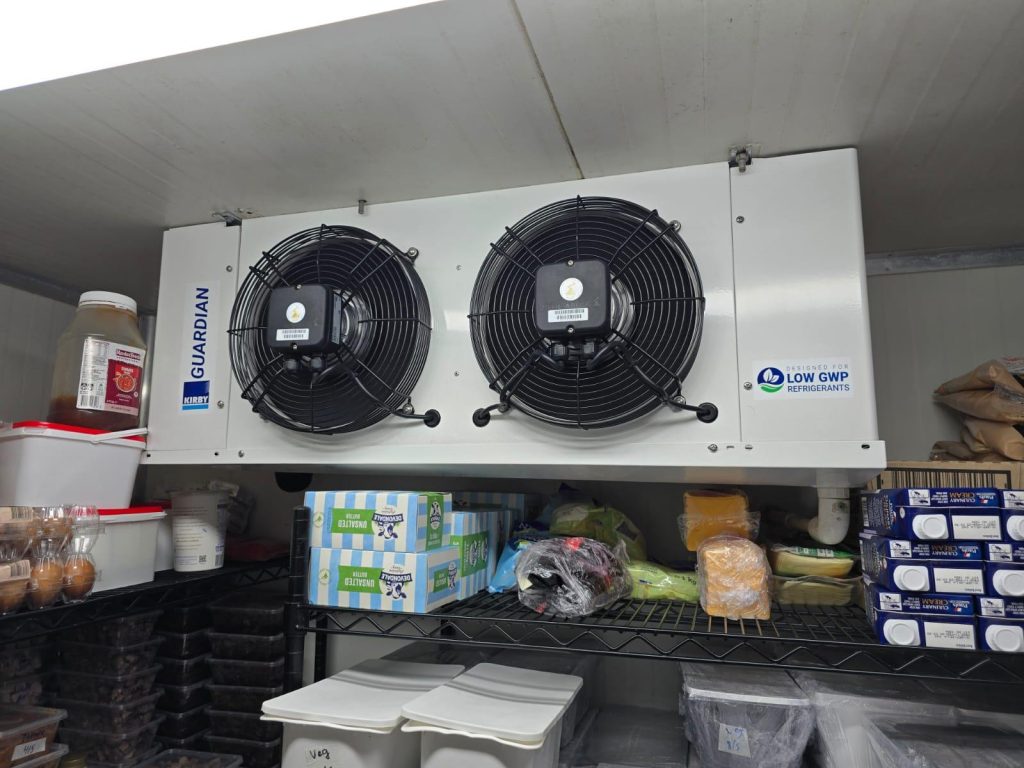
Ice forming inside a display fridge, especially on the evaporator coil or around the back wall, usually comes down to excess moisture or a defrost fault. Worn door seals and frequent door openings let in humid air, which freezes onto the coil. If the defrost heater, timer, sensor, or controller isn’t working properly, that ice isn’t cleared and continues to build.
As ice accumulates, it restricts airflow, which leads to warmer temperatures and uneven cooling across the shelves. A display fridge with visible ice build-up should be checked before the problem progresses.
Why Is Water Leaking From My Display Fridge?
Water leaks from a display fridge are usually linked to the drainage system. A blocked or frozen drain line, a cracked or overflowing drain tray, or a disconnected drain hose can all send water onto the cabinet floor or the shop floor beneath.
Leaks can also be caused by heavy ice build-up melting all at once during defrost, or by condensation dripping from the glass or door frames when heaters aren’t working properly. In a retail setting, water on the floor is also a slip hazard for customers and staff, so leaks should be addressed promptly.
Why Is the Compressor Constantly Running?
A compressor that never cycles off is working hard to reach a temperature it can’t achieve. In display fridges, common causes include dirty condenser coils, low refrigerant, worn door seals, a faulty temperature controller, and a high heat load from overstocking with warm product or frequent door openings during busy trading periods.
Open-front display fridges naturally run longer than closed units, but if run times have increased noticeably compared with normal, something has changed. Constant running increases electricity costs and puts the compressor at risk of premature failure.
Why Is My Display Fridge Making Noise?
Display fridges make some noise during normal operation, but new or louder sounds usually mean something has changed. Rattling or buzzing can come from a fan blade hitting ice, debris, or a loose panel. Grinding or squealing often points to worn fan motor bearings. Knocking, loud humming, or clicking from the compressor area can indicate compressor or electrical problems.
Because many display fridges sit on the shop floor near customers, noise issues are often noticed early, which makes them a useful warning sign to act on before a full breakdown.
Could the Condenser Be Blocked?
Yes, and it’s one of the most common causes of poor performance in display fridges. The condenser releases heat from the cabinet, and when it’s clogged with dust, lint, packaging debris, or grease, the system can’t get rid of heat efficiently. The result is warmer temperatures, longer compressor run times, and higher electricity use.
Display fridges with self-contained condensing units at the base or top of the cabinet are particularly prone to blockages, especially in busy retail environments. Regular condenser cleaning is one of the simplest ways to keep a display fridge running reliably.
Could the Door Heater Be Faulty?
Yes. Door heaters, also called anti-sweat or frame heaters, keep the glass and door frames warm enough to prevent condensation forming on the outside. When a heater fails, you’ll typically notice condensation or fogging on the glass, water dripping from the door frame, or moisture building up around the door edges.
A faulty heater can also cause door seals to freeze to the frame in colder cabinets. Door heater faults need to be diagnosed by a technician, since the issue may be the heater element itself, the wiring, or the controller that manages it.
How Often Should Display Fridges Be Serviced?
Most commercial display fridges should be professionally serviced at least every three to six months, with busier stores, supermarkets, and units running long trading hours often benefiting from quarterly servicing. Condenser coils may need cleaning more often, particularly in dusty environments or locations with heavy foot traffic.
Between services, staff can help by keeping air vents and return grilles clear, sticking to the load line, checking door seals regularly, and reporting any changes in temperature, noise, or fogging early.
When Should a Display Fridge Be Repaired or Replaced?
Repair is usually the right choice when the display fridge is relatively young, the fault is isolated to a single component such as a fan, heater, controller, or door seal, and the repair cost is reasonable compared with a new unit. Many common display fridge problems fall into this category.
Replacement starts to make more sense when the cabinet is older, typically 10 years or more, has needed several repairs in a short period, requires a major component such as a compressor, or uses an older, high-cost refrigerant that’s becoming harder and more expensive to service. Newer display cabinets are also generally more energy efficient, which can reduce running costs considerably over the life of the unit.
Keep Your Display Fridge Performing at Its Best
A display fridge has two jobs: keeping product at a safe temperature and presenting it well to customers. Faults like foggy glass, warm shelves, ice build-up, and leaks affect both, so dealing with them early protects your stock and your sales.
If your display fridge isn’t performing as it should, get in touch with our team or call 1300 164 217 to arrange an inspection and repair.