What to Do When Your Commercial Refrigeration Breaks Down
On this page
- What Should I Do When Commercial Refrigeration Fails?
- What Happens When a Commercial Fridge Stops Working?
- How Quickly Can Food Become Unsafe?
- Should I Move Stock to Another Fridge?
- Should I Switch the Unit Off?
- Should I Keep Opening the Door?
- When Should I Call an Emergency Refrigeration Technician?
- What Information Should I Give the Technician?
- Can Refrigeration Repairs Be Completed on the First Visit?
- How Can Businesses Prepare for Refrigeration Breakdowns?
- Get Fast Help When Your Refrigeration Fails
When a cool room, freezer or display fridge stops working, the first 30 minutes matter more than most business owners realise. The decisions you make before help arrives, from whether to move stock to how often the door is opened, can decide whether you save your produce or throw it out. If you are searching for Commercial Fridge Repairs Perth in the middle of a breakdown, this guide explains what to do while you wait, so your technician can find the fault quickly and your business stays on the right side of food safety rules.
Below, we work through the questions Perth cafes, restaurants, supermarkets, butchers and food producers ask most often when their refrigeration fails.
What Should I Do When Commercial Refrigeration Fails?
Stay calm and work through a short checklist:
- Check the temperature. Read the unit’s display and confirm it with a probe thermometer. Note the reading and the time.
- Keep the doors closed. A sealed cabinet or cool room holds its cold far longer than one that is being opened.
- Check the basics. Confirm the unit has power, the isolator switch is on and no circuit breaker has tripped.
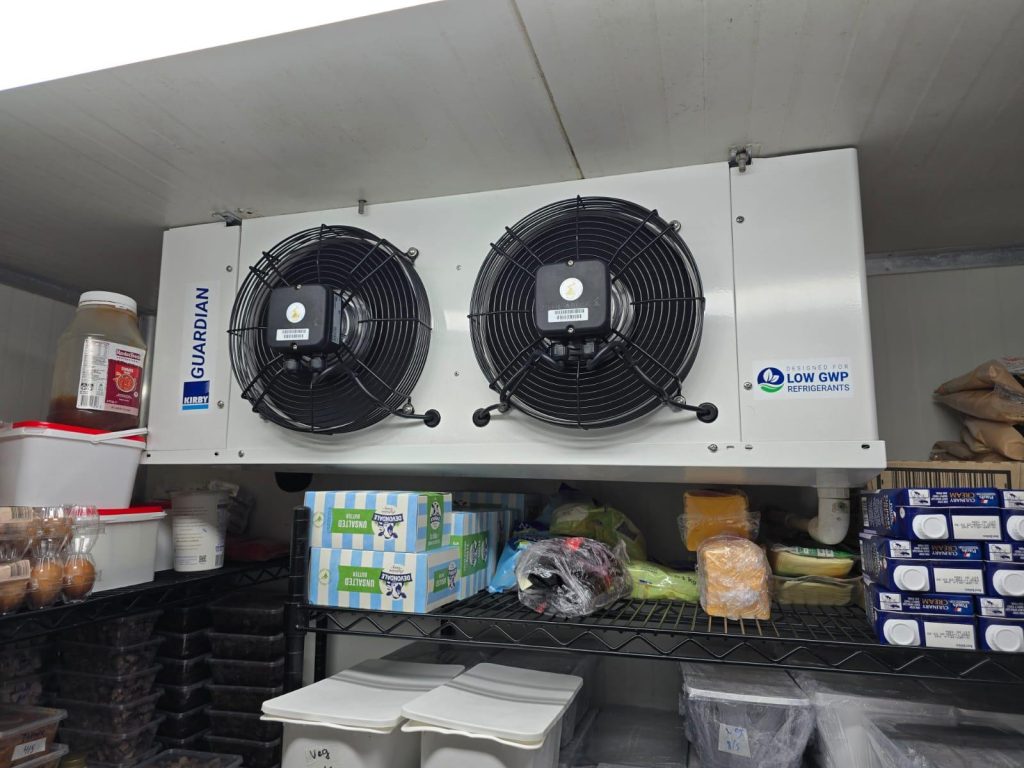
- Clear the condenser and vents. Boxes, cleaning gear or a build-up of dust around the condenser can cause the unit to overheat.
- Protect high-risk food. Move meat, seafood, dairy and cooked food to a working unit if the temperature is rising.
- Call a licensed refrigeration technician. The sooner a fault is diagnosed, the more stock you are likely to save.
Recording temperatures and times from the start also gives you a clear record for your food safety program.
What Happens When a Commercial Fridge Stops Working?
When the refrigeration cycle stops, heat from the room, the stock and every door opening begins to raise the internal temperature. How fast this happens depends on the unit and the fault:
- Display fridges and underbench units have little thermal mass and can warm within an hour or two, especially in a hot kitchen.
- Cool rooms and freezer rooms that are full and well insulated can hold temperature for several hours if the door stays shut.
- Partial failures, such as a failing fan motor, low refrigerant or a blocked condenser, may let the unit run constantly without reaching its set point. Temperatures can drift up slowly and go unnoticed.
Common signs of a developing fault include the unit running non-stop, ice building up on the evaporator, water pooling on the floor, unusual buzzing or clicking, and display cases that feel warm at the front.
How Quickly Can Food Become Unsafe?
Food Standards Australia New Zealand (FSANZ) states that potentially hazardous food generally needs to be kept at 5°C or colder. Once food sits between 5°C and 60°C, bacteria can multiply quickly.
For ready-to-eat potentially hazardous food, FSANZ guidance sets out the 2-hour/4-hour rule, which counts the total time food has spent above 5°C:
- Under 2 hours: the food can be used, or refrigerated again for later use.
- Between 2 and 4 hours: the food can still be used, but must not be put back in the fridge for later.
- 4 hours or more: the food must be thrown out.
This is why recording the temperature and time as soon as you notice a problem is so important. Without a record, it is hard to know how long food has been out of safe range. If you are unsure whether stock is still safe, check your food safety program or contact your local government environmental health officer. When in doubt, throw it out.
Should I Move Stock to Another Fridge?
Yes, if the unit is above 5°C or rising and you have somewhere safe to put it. Prioritise high-risk items first:
- Raw meat, poultry and seafood
- Dairy products
- Cooked and ready-to-eat food
- Prepared salads and sauces
Use other working fridges or freezers, or eskies packed with ice if you have no spare capacity. Avoid overloading the unit you are moving stock into, as an overfull fridge can struggle to hold temperature and create a second problem.
If the faulty unit is still at or below 5°C, it is often better to leave stock where it is with the door closed until the technician has assessed the problem.
Should I Switch the Unit Off?
In most cases, no. Avoid repeatedly switching the unit off and on in the hope of resetting it. Short cycling puts strain on the compressor and can turn a minor fault into a costly one.
There are some exceptions. Switch the unit off at the isolator if you notice:
- A burning smell or smoke
- Sparking or visible electrical damage
- Water leaking near electrical components
- Loud grinding or banging from the compressor
If there is any electrical risk, keep people clear and tell the technician what you saw when you call.
Should I Keep Opening the Door?
No. Every time a door opens, cold air escapes and warm, humid air takes its place. In a cool room that is no longer cooling, frequent door openings can cut hours off the time your stock stays safe.
To reduce openings:
- Plan what you need to take out in a single trip.
- Put up a sign asking staff not to use the unit.
- Check the temperature through the external display rather than opening the door, where possible.
When Should I Call an Emergency Refrigeration Technician?
Call straight away if:
- The unit cannot hold 5°C or below (or -15°C or below for most freezers).
- A cool room or freezer room holding a large amount of stock is warming.
- The unit is running constantly without cooling.
- There is ice building on the evaporator coil, or water on the floor creating a slip hazard.
- You notice burning smells, electrical faults or loud mechanical noises.
Some faults can wait for a booked service, such as a slightly noisy fan on a unit that is still holding temperature, or an ice machine producing a little less ice than usual. If stock or safety is at risk, treat it as an emergency. Refrigwest provides 24/7 emergency callouts across Perth, 365 days a year.
What Information Should I Give the Technician?
The more detail you provide, the better prepared your technician will be. Have the following ready when you call:
- Business name, address and site access details, including after-hours entry
- Type of equipment, such as a walk-in cool room, upright freezer, glass door merchandiser or ice machine
- Brand and model number, usually found on the compliance plate inside the door or on the back of the unit
- Current temperature and how long it has been rising
- Symptoms, such as noises, ice build-up, water leaks, error codes or a unit running constantly
- What you have already checked, such as power, breakers and condenser airflow
- Service history, including any recent repairs or recurring faults
Brand and model details help the technician bring the right parts, which improves the chance of a first-visit fix.
Can Refrigeration Repairs Be Completed on the First Visit?
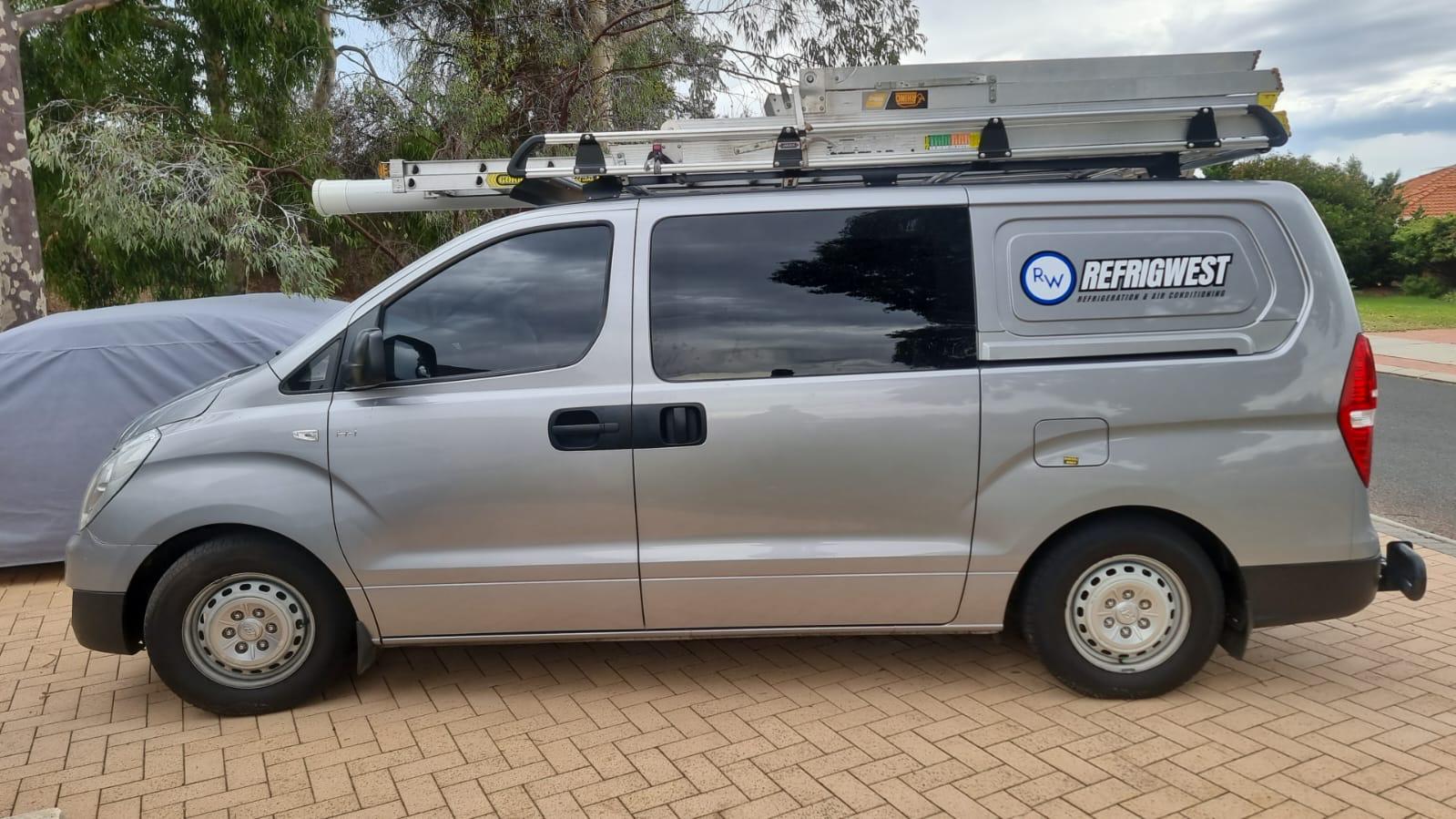
Often, yes. Refrigwest’s service vans carry common parts including compressors, fan motors, thermostats, controllers, door seals and refrigerant, so most faults can be fixed on the first visit.
Some repairs take longer. Specialised or brand-specific parts may need to be ordered, and major faults such as a compressor replacement or a significant refrigerant leak may need a follow-up visit. In these cases, a good technician will explain the options, give you a quote before work starts and, where possible, help keep the unit running in the meantime.
How Can Businesses Prepare for Refrigeration Breakdowns?
The best time to plan for a breakdown is before one happens. Practical steps include:
- Schedule regular servicing. Routine maintenance identifies worn door seals, dirty condenser coils, failing fans and low refrigerant before they cause a breakdown.
- Book a pre-summer check. Perth’s hot summer months put the most strain on refrigeration, so servicing before the heat arrives reduces the risk of failure when you can least afford it.
- Monitor temperatures. Record readings at least daily, or install temperature monitoring with alarms that alert you after hours.
- Keep condensers clear. Make sure there is good airflow around condensing units and that they are not boxed in or covered.
- Have a backup plan. Know where stock can go if a unit fails, whether that is spare fridge capacity, eskies and ice, or a nearby partner business.
- Save your technician’s number. Make sure every manager and senior staff member knows who to call and where the equipment details are kept.
- Consider a maintenance plan. Refrigwest offers maintenance plans for single and multi-site operators, including priority callouts and scheduled servicing.
Get Fast Help When Your Refrigeration Fails
A refrigeration breakdown does not have to mean lost stock or a closed kitchen. Keep the doors shut, protect high-risk food, record temperatures and call a licensed technician as early as possible.
Refrigwest provides commercial refrigeration repairs across Perth, from Two Rocks to Mandurah and out to the Perth Hills, with 24/7 emergency support. Call 1300 164 217 to speak directly with a technician.