Best Split System Air Conditioner Brands in Australia and What to Look For
On this page
- What Is the Best Split System Air Conditioner in Australia?
- Which Split System Brand Is Most Reliable?
- What Are the Best Split System Brands?
- Is Daikin Better Than Mitsubishi Electric?
- Is Mitsubishi Electric Better Than Mitsubishi Heavy Industries?
- Is Fujitsu a Good Split System?
- Which Brand Has the Best Warranty?
- Which Brands Are Easiest to Service?
- Which Split Systems Are Quietest?
- Which Are Cheapest to Run?
- Which Are Best for Bedrooms?
- Which Are Best for Large Living Rooms?
- Which Brands Are Best Suited to Australian Conditions?
- Is the Most Expensive System Actually Worth It?
- Get Your Split System Installed Properly
Choosing a split system can feel overwhelming, with dozens of brands, star ratings and features competing for your attention. The good news is that most of the leading brands are reliable, and the right choice usually comes down to your room size, how you use it and the support available where you live. For homeowners comparing options for Split Air Conditioning Perth, the right system also needs to cope with 40°C summer afternoons, dust and, for coastal suburbs, salty air.
This guide compares the major split system brands sold in Australia, explains which features matter most and helps you decide where it is worth spending more. Specifications change from model to model, so always check the details of the exact unit you are considering.
What Is the Best Split System Air Conditioner in Australia?
There is no single best split system for every home. The leading brands, including Daikin, Mitsubishi Electric, Fujitsu (now also sold as GENERAL), Panasonic and Mitsubishi Heavy Industries, all make high-quality inverter split systems that perform well in Australian conditions.
The best system for your home is the one that:
- Is correctly sized for the room, its insulation and how much sun it gets
- Has a strong energy rating for the climate zone you live in
- Runs quietly enough for the space, particularly in bedrooms
- Is backed by a solid warranty and good local parts support
- Is installed by a licensed technician, which is essential for both performance and warranty
A well-sized, professionally installed mid-range unit will often outperform a premium unit that is the wrong size or poorly installed.
Which Split System Brand Is Most Reliable?
Daikin and Mitsubishi Electric have the strongest reputations for long-term reliability in Australia. Both are specialist air conditioning manufacturers with long histories in the Australian market, extensive dealer networks and good access to spare parts.
Fujitsu, Panasonic and Mitsubishi Heavy Industries are also widely regarded as reliable, well-built brands, and are common choices among installers.
That said, reliability depends as much on installation and maintenance as on the brand itself. Common causes of early failure include:
- Incorrect sizing, causing the unit to run flat out for long periods
- Poor installation, such as incorrect pipe lengths, refrigerant charge or drainage
- Outdoor units placed in direct afternoon sun or with restricted airflow
- Dirty filters and coils, which is a common issue in dusty Perth conditions
What Are the Best Split System Brands?
Here is a general overview of the brands most often recommended by Australian installers:
| Brand | Price range | Known for |
|---|---|---|
| Daikin | Premium | Reliability, efficiency and a wide product range |
| Mitsubishi Electric | Premium | Very quiet indoor units and strong build quality |
| Fujitsu / GENERAL | Mid to premium | Solid engineering and good value for performance |
| Panasonic | Mid range | Strong efficiency and quiet running for the price |
| Mitsubishi Heavy Industries | Mid range | Durable, straightforward systems with good value |
| LG and Samsung | Mid range | Smart features and app control |
| Haier, Hisense and TCL | Budget | Lower upfront cost |
Budget brands can be a reasonable choice for rooms used occasionally. For rooms used every day through a Perth summer, it is usually worth choosing a brand with a stronger track record and better local parts support.
Is Daikin Better Than Mitsubishi Electric?
Neither brand is clearly better. Both sit at the premium end of the market, and the choice often comes down to the specific model and what matters most to you.
Daikin is often chosen for:
- A very wide range of models and sizes
- Some of the highest energy ratings available on smaller units
- A strong specialist dealer network and spare parts support
Mitsubishi Electric is often chosen for:
- Very quiet indoor units, with some models rated as low as 18 dB(A) on their lowest setting
- Coatings designed to help keep the indoor unit cleaner and running efficiently over time
- A reputation for consistent build quality
If you are deciding between two similar models from these brands, compare the energy rating for your climate zone, the noise level at the fan speed you will actually use and the price installed.
Is Mitsubishi Electric Better Than Mitsubishi Heavy Industries?
Mitsubishi Electric and Mitsubishi Heavy Industries are separate companies that share a historical name. They design and manufacture their own products and have separate warranty and service networks in Australia.
In general:
- Mitsubishi Electric sits at the premium end, with a focus on quiet operation, design and advanced features.
- Mitsubishi Heavy Industries is generally more affordable and known for durable, practical systems that perform well.
Both are good brands. Mitsubishi Electric suits buyers who want the quietest operation and premium features, while Mitsubishi Heavy Industries suits buyers looking for reliable performance at a lower price.
Is Fujitsu a Good Split System?
Yes. Fujitsu has been a popular split system brand in Australia for decades and is known for reliable, well-engineered systems that offer good value.
Buyers may notice a change in branding. Fujitsu General Australia became GENERAL Australia from 1 January 2026, following the company’s acquisition by the Paloma Rheem group. Products are currently sold under both the Fujitsu and GENERAL Airstage names, with the Fujitsu name expected to be phased out gradually. The company has stated the name change will not affect its business operations.
Which Brand Has the Best Warranty?
Most major brands offer similar warranties on residential split systems, typically five years on parts and labour. Some brands, including LG and Samsung, extend the warranty on compressor parts to 10 years.
When comparing warranties, look beyond the headline number:
- Licensed installation: Most manufacturers require the system to be installed by a licensed technician for the warranty to apply. A DIY or unlicensed installation can void it.
- Parts and labour: Check whether labour is covered for the full warranty period, or only parts.
- Residential use: Warranties are usually shorter or different for commercial use.
- Service network: A long warranty is only useful if there are authorised service agents in your area.
Warranty terms change, so always confirm the current terms for the specific model before you buy.
Which Brands Are Easiest to Service?
Brands with a strong local presence and good parts availability are generally the easiest to service. In Perth, Daikin, Mitsubishi Electric, Fujitsu, Panasonic and Mitsubishi Heavy Industries are widely installed, so technicians are familiar with them and common parts are easier to source.
Less common or budget brands can be harder to repair, as parts may need to be ordered from interstate or overseas, which can leave you without cooling for longer.
How the system is installed also affects servicing. A unit with clear access to the indoor head, a sensibly positioned outdoor unit and a tidy pipe run is quicker and cheaper to maintain than one squeezed into a tight space.
Which Split Systems Are Quietest?
The quietest indoor units from the leading brands are rated at around 17 to 22 dB(A) on their lowest fan setting, which is quieter than a whisper. Mitsubishi Electric, Daikin, Fujitsu and Panasonic all offer models in this range, particularly in the smaller 2.0 to 2.5 kW sizes.
When comparing noise levels:
- Check the noise at more than one fan speed. The lowest figure is often for a quiet mode you may not use every day.
- Check the outdoor unit as well. This matters if it sits near a bedroom window or a neighbour’s property.
- Choose the right size. An undersized unit runs at high fan speeds for longer, which makes it louder.
Which Are Cheapest to Run?
The cheapest split systems to run are inverter models with high energy star ratings that are correctly sized for the room. Inverter technology lets the compressor adjust its speed rather than switching on and off, which uses less power and keeps temperatures more stable.
Australian air conditioners carry a Zoned Energy Rating Label, which shows performance for hot, average and cold climate zones. Check the rating for the zone that applies to Perth rather than relying only on the headline star rating.
As a rough guide, a system drawing 1 kW of power costs about 30 cents an hour to run at an electricity price of 30 cents per kWh. A small bedroom unit typically draws less than this, while a large living room unit running hard on a 40°C day may draw considerably more. Actual costs depend on your tariff, the unit and how you use it.
To keep running costs down:
- Set cooling to around 24 to 26°C rather than as cold as possible
- Clean the filters every two to four weeks during heavy use
- Close doors and curtains to reduce the area being cooled
- Book an annual service to keep coils clean and the system running efficiently
Which Are Best for Bedrooms?
For bedrooms, focus on quiet operation, comfortable airflow and the right size. Look for:
- A 2.0 to 2.5 kW system for most bedrooms up to about 15 m²
- A low indoor noise rating, ideally around 19 to 22 dB(A) on the lowest setting
- A night or sleep mode that gradually adjusts the temperature and reduces fan speed
- Gentle airflow settings so cold air is not blowing directly onto the bed
- A dimmable or switch-off display so the indoor unit’s lights do not disturb your sleep
Premium brands such as Mitsubishi Electric, Daikin and Fujitsu are popular choices for bedrooms because of their quiet indoor units.
Which Are Best for Large Living Rooms?
Large living rooms need a system with enough capacity to cool the whole space, along with good airflow to distribute air evenly. As a general starting guide:
| Room size | Suggested cooling capacity |
|---|---|
| Up to 15 m² | 2.0 to 2.5 kW |
| 15 to 25 m² | 2.5 to 3.5 kW |
| 25 to 40 m² | 5.0 to 7.1 kW |
| 40 to 60 m² | 7.1 to 9.5 kW |
West-facing rooms, open-plan areas, high ceilings and poorly insulated spaces may need a larger system. For very large or open-plan areas, two smaller units or a multi-split system can provide more even cooling than one large unit.
These figures are only a starting point. A technician should confirm the right size on site.
Which Brands Are Best Suited to Australian Conditions?
All the major brands design and test systems for Australian conditions, but some features matter more in Perth:
- High ambient temperature performance: Check the unit is rated to operate in very hot outdoor temperatures, as Perth summers regularly reach 40°C or more.
- Corrosion protection: Homes near the coast should look for outdoor units with anti-corrosion coatings to protect against salty air.
- Dust resistance: Filters and coils clog quickly in dusty conditions, so easy-to-clean filters are a plus.
- Reverse cycle heating: Reverse cycle split systems are one of the most cost-effective ways to heat a Perth home in winter.
Daikin, Mitsubishi Electric, Fujitsu, Panasonic and Mitsubishi Heavy Industries all offer models suited to these conditions.
Is the Most Expensive System Actually Worth It?
Sometimes. A premium system is often worth the extra cost if:
- It will be used daily, especially in a main living area or bedroom
- Quiet operation is a priority
- You plan to stay in the home for many years and want lower running costs over time
- You want features such as advanced air filtration, motion sensors or app control
A mid-range system from a reputable brand can be the better value choice if:
- The room is only used occasionally, such as a guest bedroom or study
- You are cooling a rental property or a home you plan to sell
- The budget is better spent on correct sizing and professional installation
The most expensive system will not perform well if it is the wrong size or poorly installed. Correct sizing, quality installation and regular servicing make the biggest difference to comfort, running costs and lifespan.
Get Your Split System Installed Properly
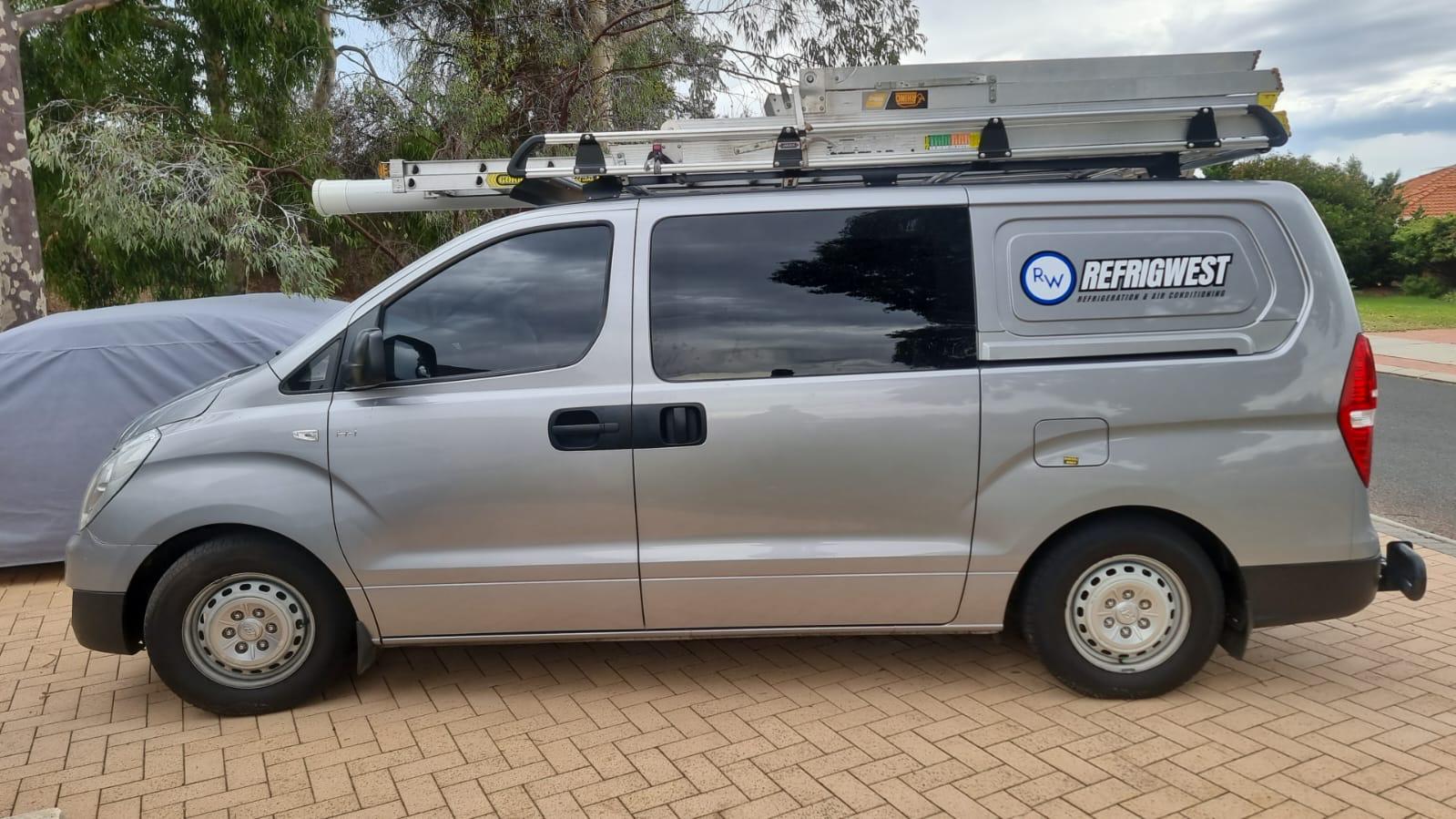
Once you have chosen your split system, professional installation is essential to get the best performance and protect your warranty. Refrigwest installs, services and repairs split system air conditioners across Perth, from Two Rocks to Mandurah and out to the Perth Hills. Its licensed technicians check the site, confirm the right size, provide a fixed quote before work starts and register your warranty at handover.
Call 1300 164 217 to book your split system installation or service.