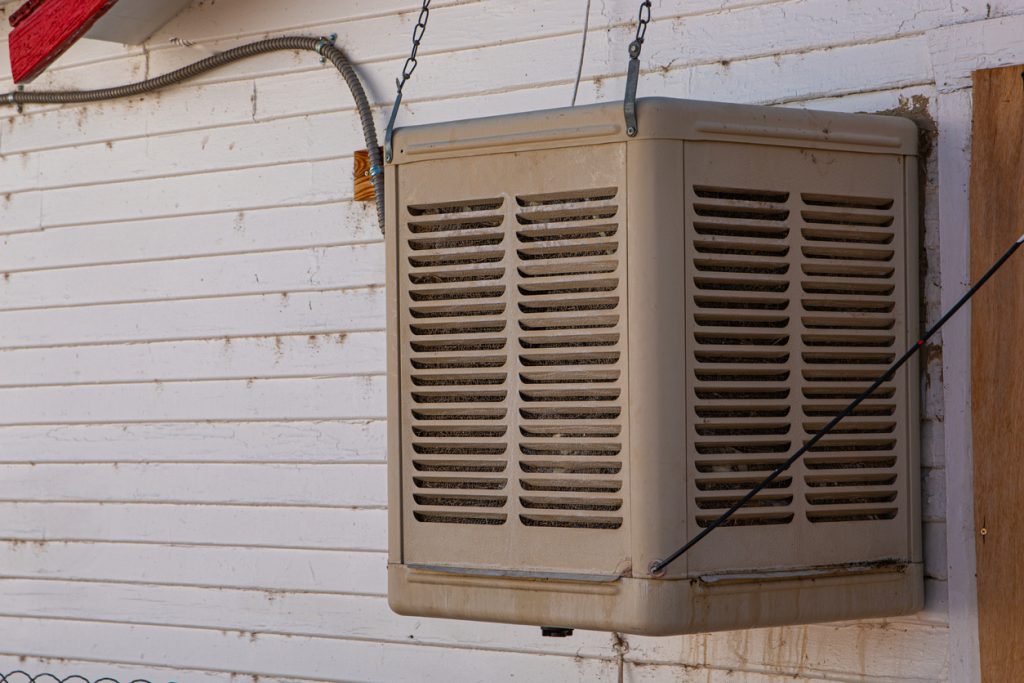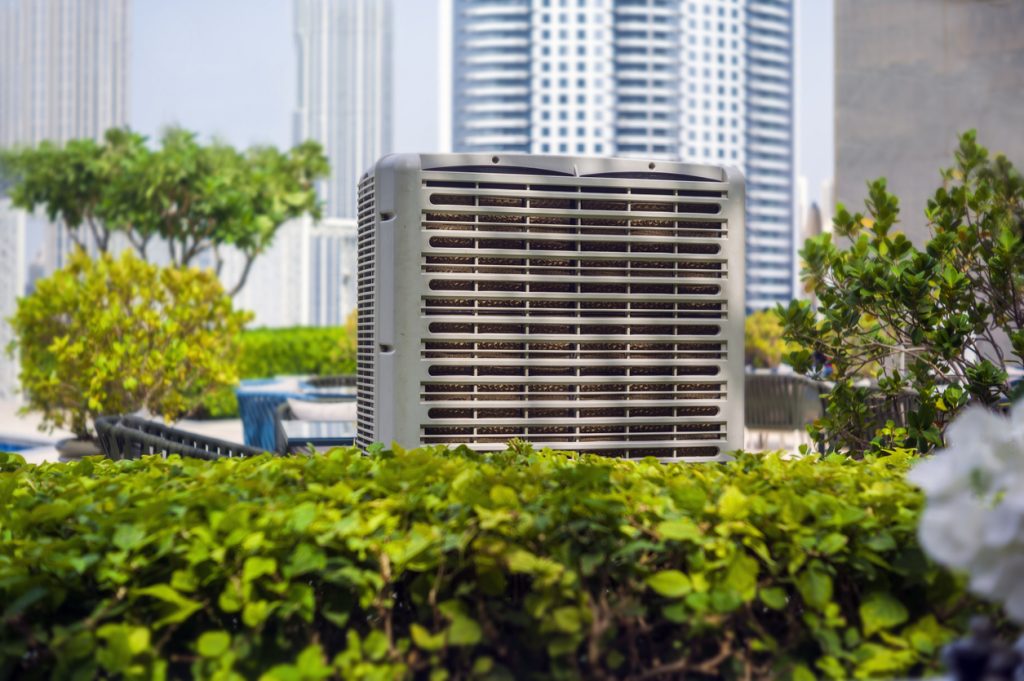
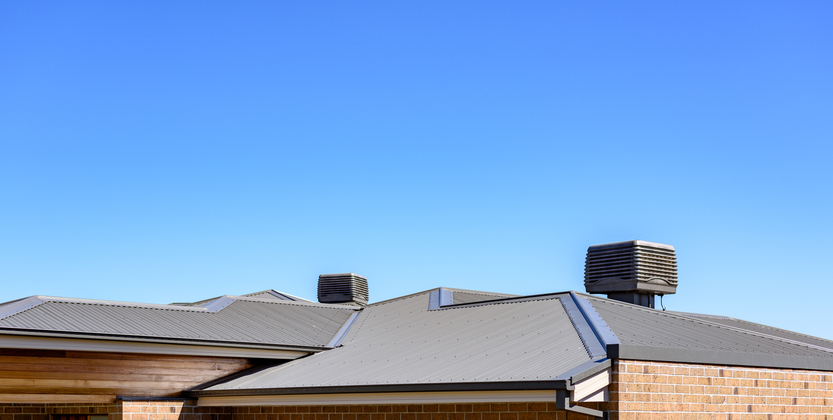
Evaporative air conditioning is one of the simplest cooling methods to understand. It draws warm outside air through water-soaked cooling pads. As the water evaporates, it absorbs heat from the air. A fan then pushes that cooled air through ducts and into the home.
So, how does evaporative air conditioning work in everyday terms? It uses fresh air, water and movement. Warm air comes in, passes through wet pads, cools through evaporation and then flows through the home. For Perth homeowners, evaporative air conditioning Perth services can help with installation, maintenance and repairs so the system performs properly during warmer months.
The Basic Idea Behind Evaporative Cooling
Evaporative cooling is based on a natural process. When water evaporates, it takes heat from the surrounding air. This is why a breeze can feel cooler near water, or why skin feels cooler when moisture evaporates from it.
An evaporative air conditioning system uses that same principle on a larger scale. Instead of relying on refrigerant to chill air, it uses water evaporation to lower the temperature of incoming outside air.
This makes evaporative cooling different from refrigerated air conditioning. Refrigerated systems usually cool and recirculate indoor air. Evaporative systems constantly bring in fresh outside air and push older indoor air out.
What an Evaporative Air Conditioning System Includes
A ducted evaporative air conditioning system is usually installed on the roof and connected to ceiling vents throughout the home.
Most systems include:
- a rooftop cooling unit
- water-soaked cooling pads
- a water pump
- a fan
- ductwork
- ceiling vents
- a controller
- a water distribution system
The cooling pads are the key part of the system. They stay damp while warm outside air passes through them. This is where evaporation happens and where the air begins to cool.
How Fresh Air Moves Through the Home
Evaporative air conditioning works through continuous airflow. It is not designed to seal the home and recycle the same air.
The process works like this:
- Warm outside air enters the rooftop unit.
- The air passes through damp cooling pads.
- Water evaporates from the pads and absorbs heat.
- The fan moves the cooled air through ductwork.
- Cooled air enters rooms through ceiling vents.
- Warm indoor air exits through open windows or doors.
That last step is important. Evaporative cooling needs air movement. If every window and door is closed, the air has nowhere to go, and the system cannot work as effectively.
This is one of the biggest adjustments for people used to refrigerated air conditioning. With evaporative cooling, selected windows or doors should be slightly open so warm air can escape.
Evaporative Cooling vs Refrigerated Air Conditioning
Evaporative cooling and refrigerated air conditioning both cool homes, but they work in very different ways.
Evaporative cooling uses water, airflow and fresh outside air. It works best in hot, dry conditions because dry air can absorb more moisture. It creates a fresh, breezy feeling and is often used for whole-home cooling.
Refrigerated air conditioning uses refrigerant and a compressor. It usually works best with doors and windows closed and can provide stronger temperature control. Reverse cycle systems can also provide heating.
In simple terms, evaporative cooling is about airflow and ventilation. Refrigerated air conditioning is about controlled cooling in a sealed space.
Neither system is automatically better. The right choice depends on your home, climate, comfort preferences, budget and whether you need heating as well as cooling.
Where Evaporative Cooling Performs Best
Evaporative air conditioning performs best in hot, dry weather. Dry air allows evaporation to happen more effectively, which improves cooling performance.
This is why evaporative cooling can suit many Perth homes during dry summer conditions. It can provide whole-home cooling while also bringing fresh air through the property.
It is less effective in humid weather. When the air already holds a lot of moisture, it cannot absorb as much additional water. This reduces the cooling effect and may make the system feel less powerful.
Evaporative cooling may suit homes where people want fresh airflow, lower energy use compared with compressor-based systems, and an open, ventilated feel.
What to Know Before Choosing Evaporative Air Conditioning
Before choosing evaporative air conditioning, it helps to understand how the system fits into daily use.
It may be a good fit if you:
- prefer fresh air moving through the home
- want whole-home cooling
- live in a dry climate
- are comfortable keeping selected windows open
- want a system focused on cooling and ventilation
It may not be the best fit if you want precise temperature control, strong cooling in humid weather, or heating and cooling from one system.
If you need heating as well, you may need a separate heating option or a reverse cycle refrigerated air conditioning system. Refrigwest’s Perth Air Conditioning Services can help assess which type of system suits your home.
How to Use Evaporative Air Conditioning Properly
Evaporative cooling works best when the home is set up for airflow. The most common mistake is treating it like refrigerated air conditioning and closing every window.
For better performance:
- open selected windows or doors slightly
- create a clear path for air to move through the home
- keep ceiling vents clear
- avoid blocking airflow with furniture or curtains
- use the right fan setting
- check that the water supply is working
- service the system before peak summer
A simple rule is to open windows in the rooms you want cooled. This helps guide airflow through the home and allows warm indoor air to leave.
Running Costs and Efficiency
Evaporative air conditioning is often considered energy-efficient because it mainly uses a fan and water pump. It does not rely on a compressor-based refrigeration cycle in the same way refrigerated air conditioning does.
However, running costs still depend on system size, fan speed, water use, weather conditions, home layout and how often the system runs.
Maintenance also affects efficiency. Dirty cooling pads, weak airflow, blocked vents or uneven water flow can reduce performance and make the system work harder than it should.
Maintenance Still Matters
Even though evaporative air conditioning is simple in principle, it still needs regular maintenance.
A service may be needed if the system has weak airflow, smells musty, leaks water, makes unusual noises or does not cool as well as it used to. Servicing can include checking cooling pads, water flow, fan operation, airflow and the general condition of the system.
You should also arrange an inspection if the system turns on but does not deliver comfortable air, the pads look dirty or the water flow seems uneven.
Can You Change Evaporative Air Conditioning to Refrigerated?
In many homes, evaporative air conditioning can be changed to refrigerated air conditioning, but it is not usually a direct swap.
The two systems work differently. A technician may need to assess the existing ductwork, roof space, electrical supply, return air requirements, zoning options and layout of the home.
If you are considering converting evaporative air conditioning to refrigerated, an inspection is the best first step. This helps confirm whether your current setup can be adapted or whether a new system design is needed.
A Quick Note on the Word “Evaporator”
The word “evaporator” can create confusion.
In refrigerated air conditioning, the evaporator coil absorbs heat as part of the refrigerant cycle.
In evaporative air conditioning, cooling happens when water evaporates from wet pads into moving air.
The terms sound similar, but they refer to different cooling methods.
Choosing the Right Cooling Support
Evaporative air conditioning can be a practical option for homes that suit fresh airflow, dry-weather cooling and whole-house ventilation. It works differently from refrigerated air conditioning, so understanding how it operates helps you use it properly and know when servicing may be needed.
Refrigwest provides evaporative air conditioning installation, repairs and maintenance for Perth homes. If you are unsure whether your system needs servicing, repair or replacement, Contact Refrigwest to arrange an inspection.