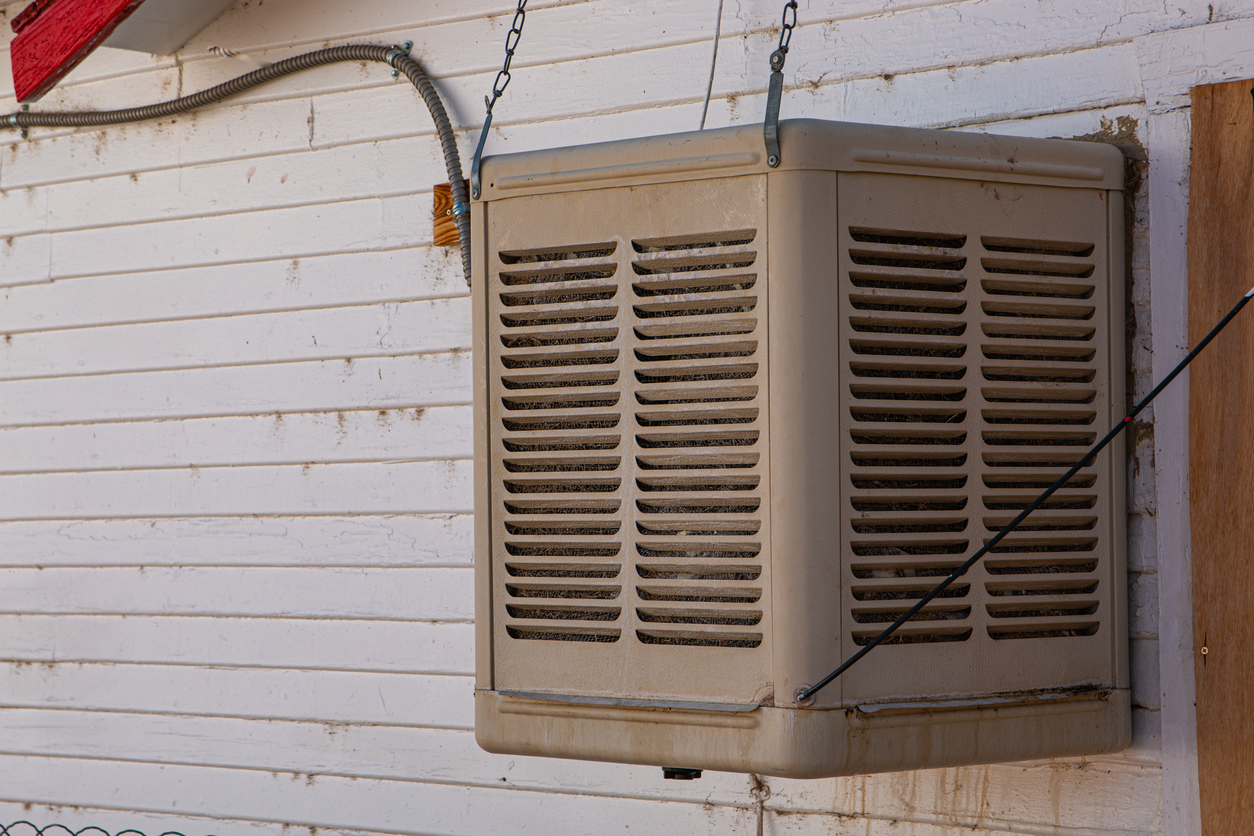
Bushfire smoke raises a genuine question for anyone with Evaporative Air Conditioning Perth homes commonly rely on to get through summer, since these systems work by drawing outside air straight into the house rather than cooling and recirculating the air already inside. That’s a meaningful difference from refrigerated air conditioning, and it’s worth understanding before deciding whether to keep the system running during a smoke event.
This guide covers how evaporative cooling interacts with bushfire smoke, what to do while air quality is poor, and when it’s reasonable to switch the system back on.
Does Evaporative Cooling Bring Outside Smoke Inside?
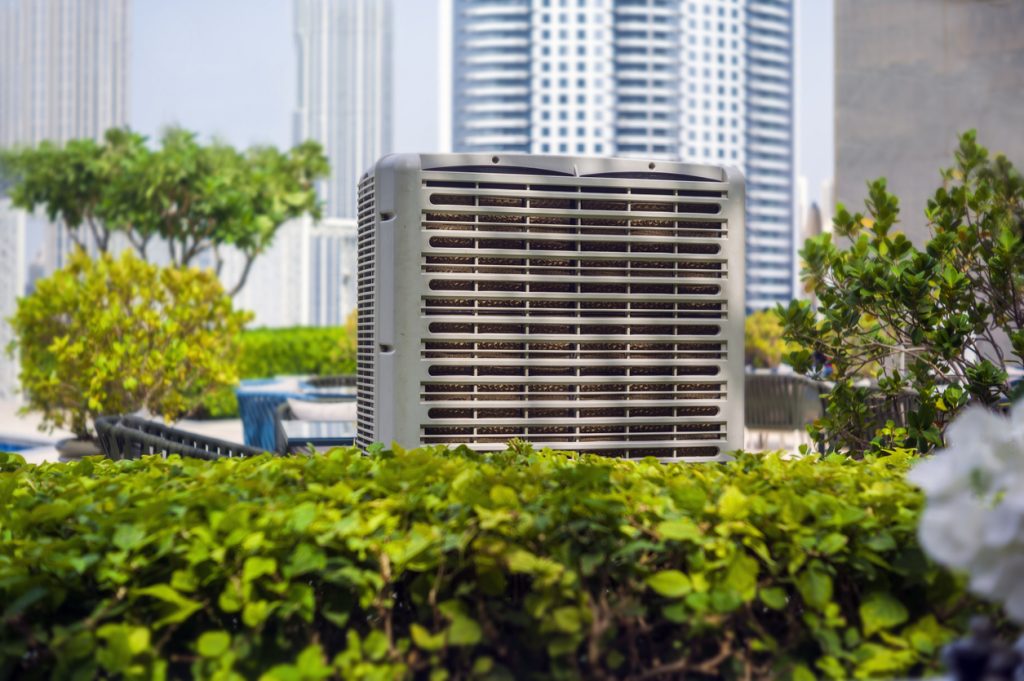
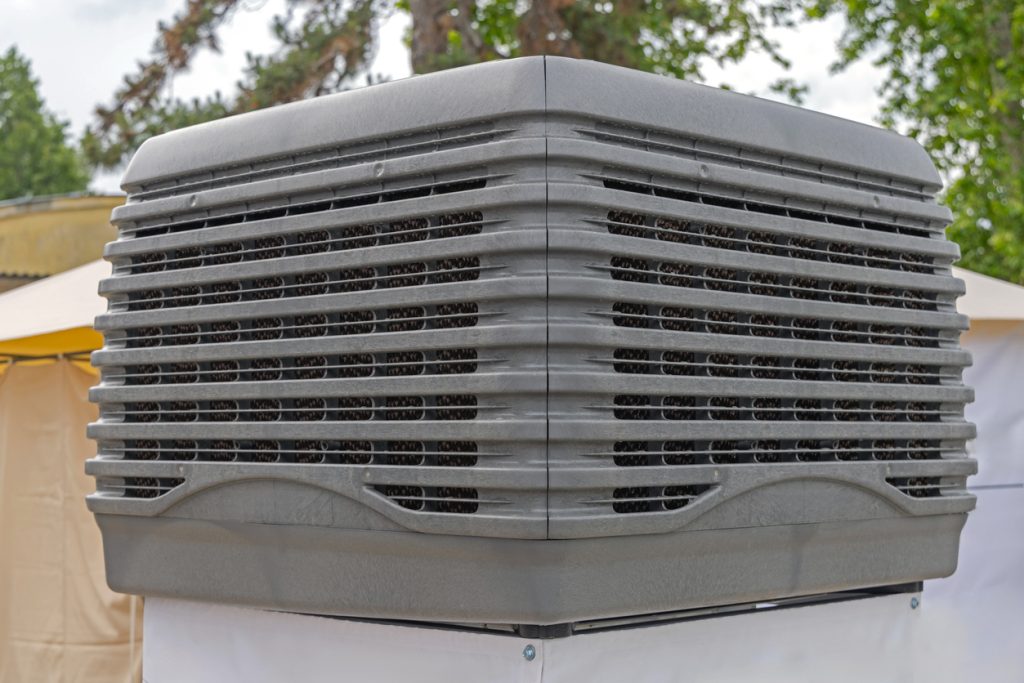
Yes. Evaporative cooling works by drawing outdoor air through wet cooling pads and pushing it into the home, which means whatever is in the outside air, including bushfire smoke, gets pulled in along with it. This is fundamentally different from refrigerated reverse cycle systems, which cool and recirculate air already inside the home without drawing in fresh air from outside in the same way.
This is one of the more important distinctions to understand about evaporative cooling, particularly during bushfire season in WA.
Should I Turn Evaporative Cooling Off During a Bushfire?
Generally, yes, particularly if there’s visible smoke in the area or if local air quality reports indicate smoke is affecting your suburb. Since the system draws outside air directly into your home, running it during a smoke event will bring that smoke inside rather than keeping it out.
If you’re unsure how significant the smoke event is, checking current advice from the Department of Fire and Emergency Services (DFES) or Department of Water and Environmental Regulation (DWER) air quality reporting is a sensible way to gauge whether it’s a genuine concern for your area.
Does an Evaporative Cooler Filter Smoke?
Not meaningfully. Evaporative cooling pads are designed to hold water for cooling purposes, not to filter fine smoke particles out of the air. While pads may capture some larger particulate matter as air passes through, they aren’t built or rated as smoke filtration devices, and fine smoke particles will largely pass through the system along with the air.
This is different from some refrigerated systems that can be fitted with air filtration add-ons, which are specifically designed to capture a much finer range of particles.
Can Smoke Enter Through the Cooling Pads?
Yes. Since air is drawn through the pads as part of normal operation, smoke present in the outside air passes through along with it into the ductwork and out through the vents into your rooms. The pads being wet doesn’t meaningfully change this, since they’re designed for evaporative cooling rather than air filtration.
This is the main reason evaporative cooling isn’t well suited to maintaining good indoor air quality during a smoke event, regardless of how well the system is otherwise maintained.
What Should I Do When Perth Air Quality Is Poor?
During periods of poor air quality from bushfire smoke, it’s generally advisable to switch off evaporative cooling, keep windows and doors closed where possible, and follow current guidance from DFES and DWER on air quality and any relevant health advice. Checking official air quality monitoring for your area gives a clearer picture than relying on how the smoke looks or smells outside.
If cooling is still needed during a smoke event, a portable air purifier with appropriate filtration, or a well-sealed room with minimal outdoor air exchange, are generally more suitable short-term options than running an evaporative system.
Should Windows Remain Open During Smoke Events?
No, generally windows and doors should be kept closed during a smoke event to limit smoke entering the home. This applies regardless of whether your evaporative cooling is running or switched off, since open windows allow smoke to enter the same way an active evaporative system does.
Keeping the home sealed up as much as practical is one of the simplest ways to reduce indoor smoke exposure during these periods.
When Can I Safely Turn the System Back On?
It’s generally safe to resume normal use of evaporative cooling once official air quality reporting for your area indicates smoke levels have returned to normal, and there’s no visible smoke or smell in the immediate vicinity of your home. Checking current DWER air quality data for your suburb is a more reliable indicator than judging by sight or smell alone, since smoke can linger at levels that aren’t always obvious.
If in doubt, waiting until conditions have clearly settled is a sensible approach before returning to normal use.
Should the Pads Be Cleaned After Heavy Smoke?
Yes, it’s a good idea to have the cooling pads checked and potentially cleaned after a significant smoke event, particularly if the system was in use, either before you were aware of the smoke or as conditions were changing. Smoke particles and ash can settle on pads and within the unit, which may affect performance and air quality over time if left unaddressed.
A general service is also a good opportunity to check the rest of the system, since particulate build-up from a smoke event can affect components beyond just the pads.
Keep Your System Ready for Perth’s Conditions
Bushfire smoke is one of the more specific challenges WA homeowners deal with, and understanding how evaporative cooling interacts with outside air makes it easier to make the right call when a smoke event hits. Staying across official air quality advice from DFES and DWER remains the best way to know when it’s safe to switch the system back on.
If you’d like your system checked following a smoke event, or you’re weighing up evaporative cooling against other options given WA’s bushfire conditions, get in touch with our team or call 1300 164 217.