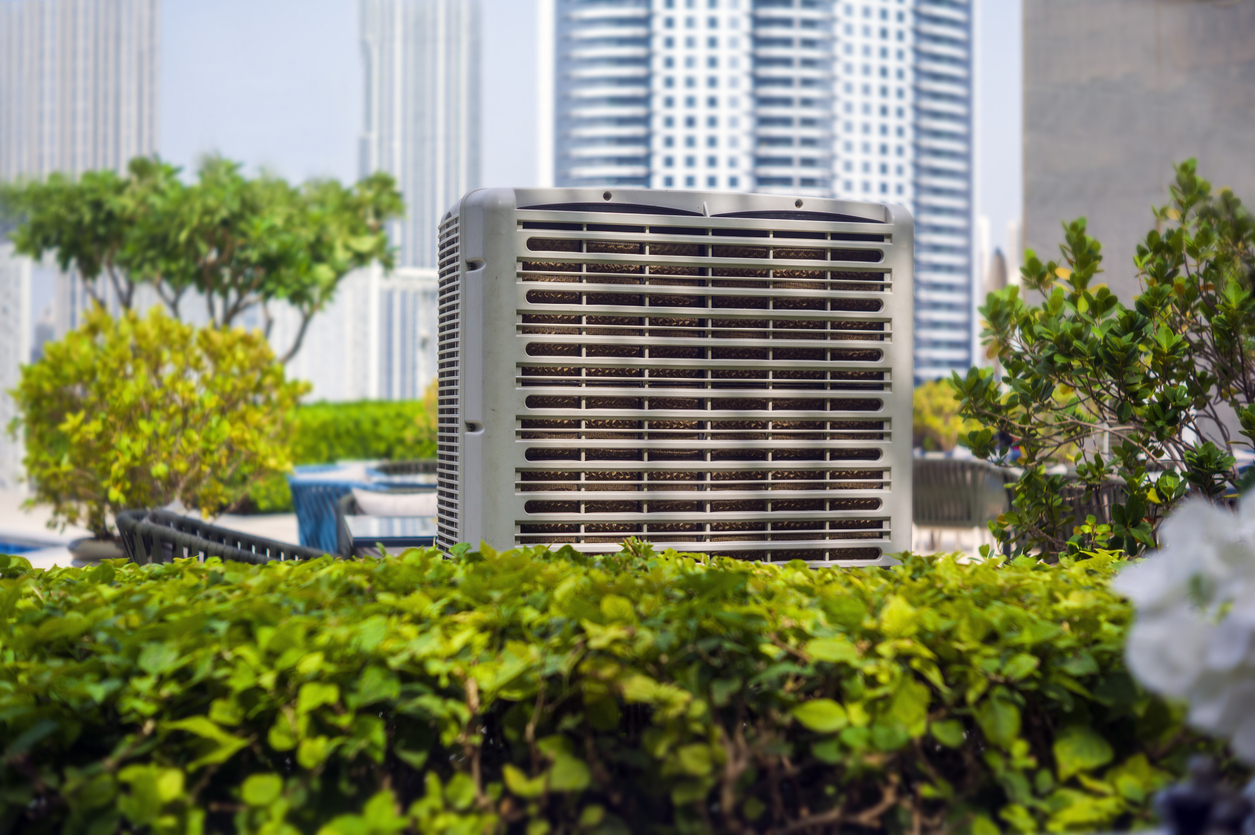
A system should run with a fairly consistent, low background hum, so a sudden change in noise is usually the first sign something’s shifted, whether that’s on an older unit or a recently installed Evaporative Air Conditioning Perth system. Rattling, humming, and vibration all point to slightly different causes, and working out which one you’re hearing is a good first step before deciding whether it’s a simple fix or something a technician needs to look
This guide runs through the most common causes of noise in an evaporative cooling system, and what each type of sound usually means.
Why Is My Evaporative Cooler Suddenly Loud?
A sudden increase in noise generally points to something that’s changed mechanically, rather than a gradual issue building up over time. Common causes include a fan that’s come out of balance, a belt slipping on belt-driven units, worn bearings, or debris that’s found its way into the fan housing.
Since the change is sudden, it’s worth thinking back to anything that might have shifted recently, like a storm, heavy debris around the unit, or a service that hasn’t been done in a while, as these can all point toward the likely cause.
Why Is It Rattling?
Rattling is usually caused by something loose or out of place within the unit, such as a panel, screw, or bracket that’s vibrated loose over time. It can also be caused by debris, like leaves or small branches, that’s made its way into the fan housing and is being struck by the moving fan blades.
Rattling that’s isolated to certain fan speeds, rather than happening constantly, often points to a fan balance issue rather than loose hardware.
Why Does It Vibrate?
Vibration is commonly linked to an out-of-balance fan, which can happen due to a build-up of dirt and debris on the blades, a bent or damaged blade, or general wear over time. Vibration can also come from a unit that isn’t sitting level or securely on its mounting, which allows normal operation to translate into noticeable shaking.
Left unaddressed, vibration can accelerate wear on other components, since the extra movement puts additional strain on bearings, motor mounts, and the housing itself.
Why Is the Fan Noisy?
A noisy fan is often caused by a build-up of dirt and grime on the blades, which throws the fan slightly out of balance and creates noise as it spins. Other common causes include worn bearings, a belt that’s slipping or degraded on belt-driven units, or a fan blade that’s become bent or damaged.
Since the fan is one of the most active mechanical components in the system, it’s also one of the first places noise tends to show up as parts wear over time.
Can Worn Bearings Cause Noise?
Yes, worn bearings are a common cause of noise in evaporative cooling systems, typically producing a grinding, whining, or rumbling sound as the fan motor operates. Bearings wear down naturally over time, and the noise usually becomes more noticeable as the wear progresses.
This is generally not something that improves on its own, since worn bearings continue to deteriorate the longer the system keeps running under those conditions.
Can a Dirty Fan Cause Noise?
Yes. A fan that’s built up dust, dirt, or general grime on the blades becomes slightly unbalanced, which creates vibration and noise as it spins, even if the motor itself is in good condition. This is one of the more common and straightforward causes of increased noise, particularly in systems that haven’t been serviced in a while.
Cleaning the fan blades as part of a standard service often resolves this type of noise without needing any parts replaced.
Can the Motor Cause Humming?
Yes. A humming noise is often linked to the motor itself, which can indicate the motor is working harder than it should, an electrical issue affecting how the motor runs, or general wear as the motor ages. In some cases, a persistent hum can also point to a capacitor issue affecting how smoothly the motor operates.
A hum that’s mild and consistent is sometimes just normal motor operation, but a hum that’s louder than usual or has developed recently is worth having checked.
Why Is the Noise Coming Through the Ducts?
Ductwork can act as a pathway that carries and sometimes amplifies noise from the unit itself, particularly if outlets or duct runs aren’t properly sealed or supported. Loose ductwork, particularly sections that have come away from brackets or fittings, can also rattle or vibrate as air moves through them.
If the noise seems louder in certain rooms than others, it’s worth checking whether that room’s duct run or outlet has come loose, rather than assuming the issue is with the main unit.
Does Roof Mounting Affect Noise?
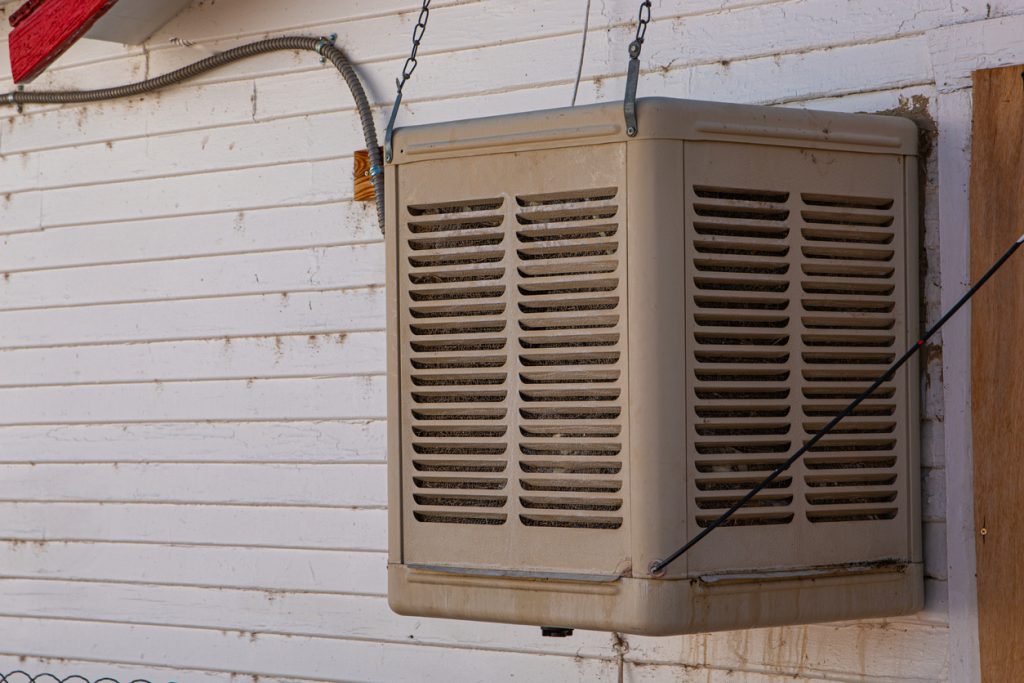
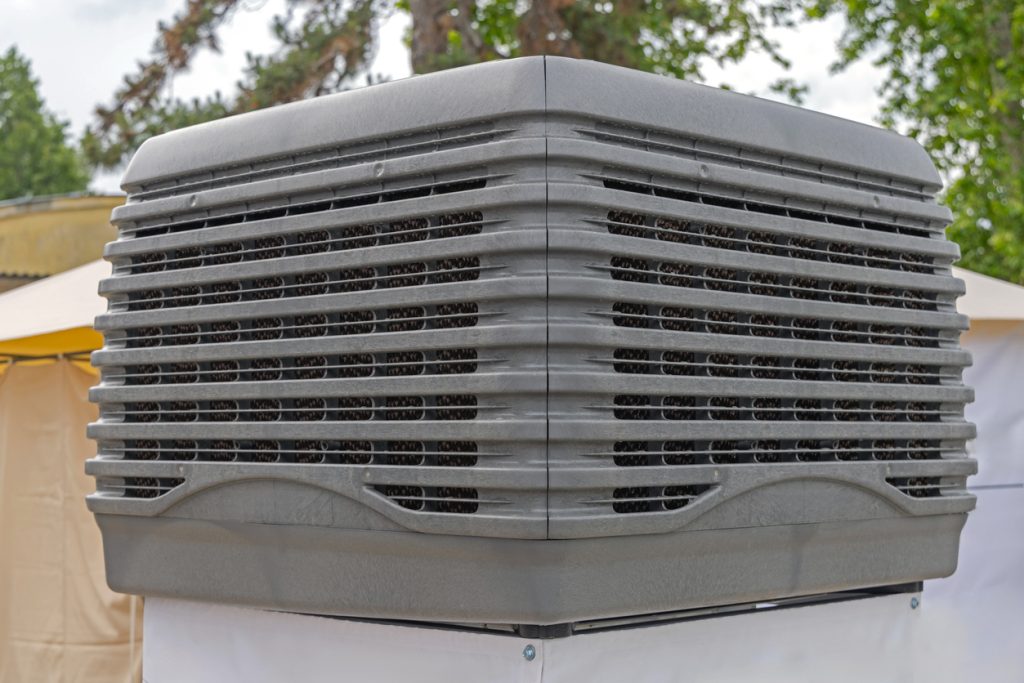
Yes, to some extent. Since the unit sits directly on the roof, vibration and noise can transfer into the roof structure itself, sometimes making the system sound louder inside the home than the unit’s actual noise level would suggest. Proper mounting, including vibration-isolating feet or brackets where fitted, helps reduce how much noise and vibration transfers through the roof.
A unit that’s come loose from its mounting, or was installed without adequate vibration isolation, can end up noticeably louder than a properly fitted system of the same size and brand.
Is a Loud Evaporative Cooler Dangerous?
Not usually, though it depends on the cause. Noise from a dirty fan or minor rattling generally isn’t a safety concern, but noise linked to worn bearings, a slipping belt, or a labouring motor can indicate a component that’s close to failing, which is worth addressing before it causes further damage or a complete breakdown.
Noise accompanied by a burning smell is the exception worth treating as more urgent, since that combination can point to an electrical or overheating issue rather than a purely mechanical one.
When Does a Noisy System Need Repair?
A noisy system generally needs a repair when the noise is new, getting progressively louder, or accompanied by other symptoms like reduced airflow, warm air, or a burning smell. Grinding, whining, or rumbling noises in particular usually point to a component like a bearing or motor that needs attention rather than a noise that will resolve on its own.
If a basic clean or a quick visual check doesn’t explain the noise, it’s a good sign the issue is mechanical and worth having a technician look at properly.
Get Your Evaporative Cooling Running Quietly Again
Most noise issues come down to a fan that’s out of balance, a component that’s worn, or something loose in the ductwork, all of which are straightforward for a technician to diagnose and fix. Catching it early generally means a simpler, less costly repair than waiting until the noise gets significantly worse.
Get in touch with our team or call 1300 164 217 if your evaporative cooling has become noisy