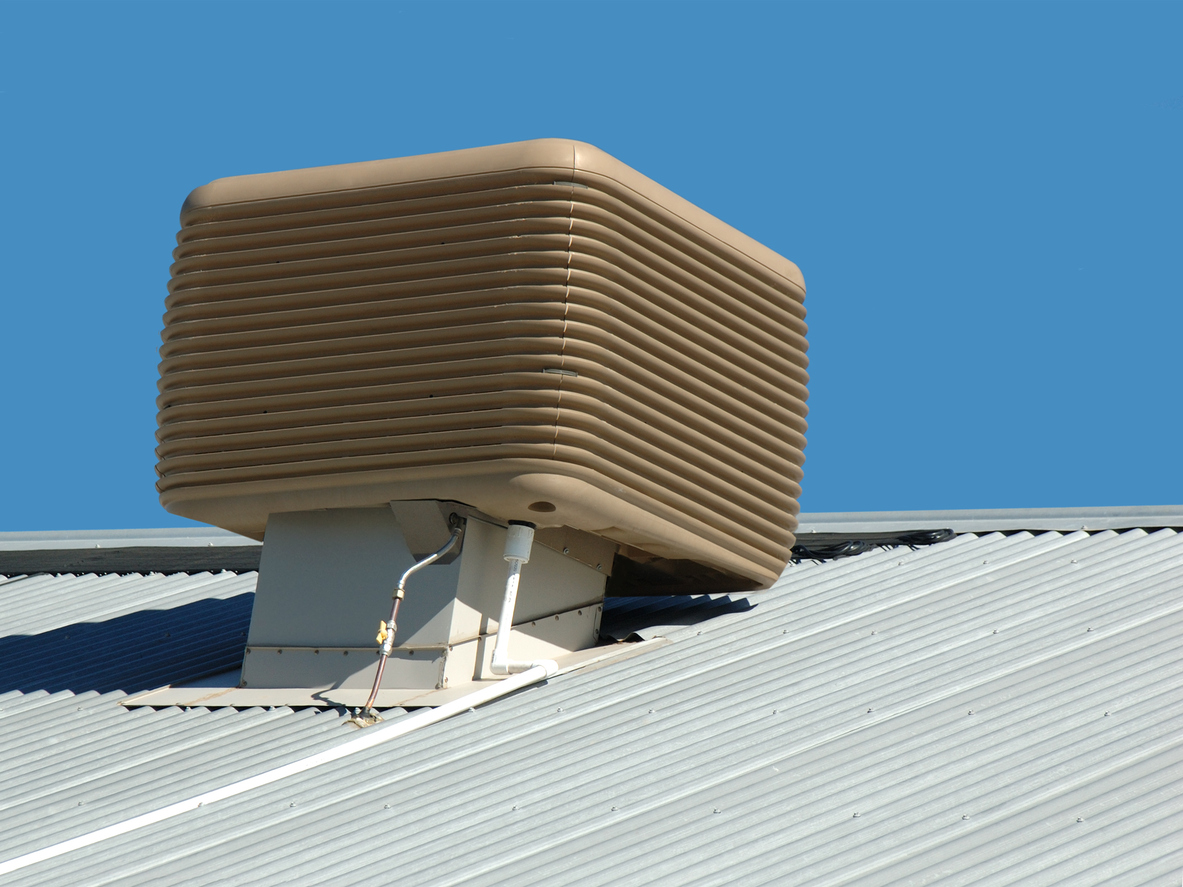
Evaporative cooling leaking water is one of the more concerning issues an Evaporative Air Conditioning Perth homeowner can spot, especially when it shows up as water running down the roof, staining a ceiling, or pooling somewhere it shouldn’t. It’s not always a sign of something serious, but it’s not something to ignore either, since water leaks can point to a handful of different faults depending on when and where it’s happening.
This guide runs through the 7 most common causes of an evaporative cooler leaking water, so you’ve got a better idea of what’s going on before deciding whether it’s a quick fix or something a technician needs to look at.
Why Is Water Running Down My Roof?
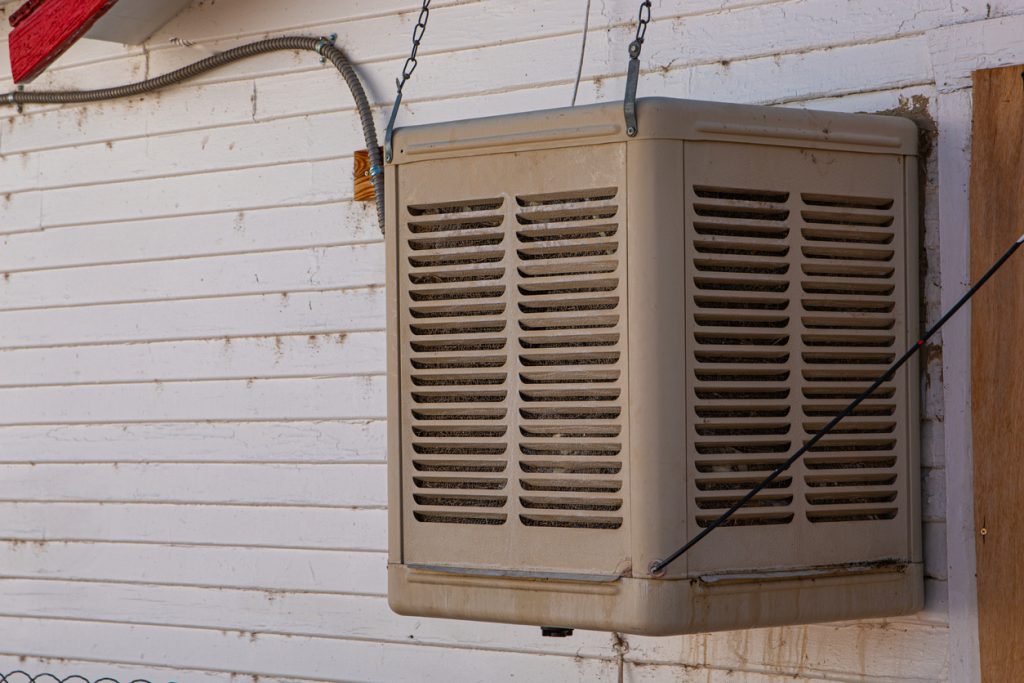
Water running down the roof is usually a sign of overflow somewhere in the system, most commonly from the water tray. This can happen when the float valve isn’t shutting off the water supply properly, when a drain is blocked and water backs up, or when the tray has been overfilled due to a faulty component.
Since roof-mounted units sit above the roofline, any overflow tends to run down the roof itself before it’s noticed, which is often the first visible sign something’s wrong.
Is an Evaporative Cooler Supposed to Drain Water?
Yes, to an extent. Evaporative coolers periodically drain and refill a portion of the water in the tray as part of normal operation, known as a bleed-off cycle. This is designed to prevent mineral and salt build-up in the tray, and a small amount of water draining during this process is completely normal.
The difference between normal bleed-off and a genuine leak usually comes down to volume and timing. A small, occasional drain during operation is expected. A continuous or heavy flow of water, especially when the unit isn’t actively running its bleed cycle, points to a fault rather than normal function.
Why Does It Leak While Running?
Leaking while the unit is running is often linked to a float valve that isn’t regulating water level properly, causing the tray to overfill. It can also point to a blocked overflow drain that isn’t clearing water fast enough, or cooling pads that have deteriorated and are letting water pass through rather than absorbing it as they should.
Since several different faults can cause leaking during operation, it’s worth checking the more obvious causes, like a blocked drain, before assuming it’s a bigger issue.
Why Does It Leak When Switched Off?
Leaking when the unit is switched off is usually a stronger sign of a faulty float valve or solenoid, since neither of these components should be allowing water to keep entering the tray once the system is off. If water is still flowing when the unit isn’t running, something isn’t shutting off the supply as it should.
This type of leak is generally worth addressing quickly, since a stuck-open valve can allow water to keep entering the tray indefinitely rather than just during normal operation.
What Does a Faulty Float Valve Do?
The float valve controls how much water enters the tray, shutting off supply once the water reaches the correct level, similar to how a toilet cistern works. A faulty float valve can get stuck, fail to seal properly, or stop responding to the water level altogether, which allows the tray to overfill and eventually overflow.
This is one of the most common causes of an evaporative cooler leaking water, and it’s usually a straightforward component to replace once identified.
Can a Blocked Drain Cause Leaking?
Yes. If the overflow or bleed drain is blocked by sediment, debris, or scale build-up, water that should be draining away instead backs up in the tray. Once the tray reaches capacity, the excess water has nowhere else to go and starts overflowing, often finding its way onto the roof or down through the ceiling.
A blocked drain is one of the more easily overlooked causes, since the rest of the system can be working perfectly fine while the blockage alone causes the leak.
Can Cooling Pads Cause Water Leaks?
Yes, in some cases. Cooling pads that are worn, cracked, or heavily degraded can let water pass straight through rather than absorbing and holding it properly. This can result in excess water running off the pads and out of the unit, particularly if the pads have deteriorated unevenly.
Pads in this condition usually need replacing rather than repairing, since a worn pad won’t hold water properly no matter how well the rest of the system is functioning.
Can the Solenoid Cause Leaking?
Yes. The solenoid valve controls water flow into the system, and if it fails in an open position, water can continue entering the unit even when it should be shut off. This often shows up as leaking while the system is switched off, since the solenoid isn’t cutting supply the way it’s meant to.
A faulty solenoid is generally a component-level fault that needs replacing, rather than something that can be adjusted or cleaned to fix.
Does Leaking Water Damage the Roof?
It can, particularly if the leak goes unnoticed for a while. Water running down a roof or pooling around the base of the unit can lead to staining, growth of mould or algae, and in some cases, water finding its way into the roof cavity or ceiling below, which can cause more significant damage over time.
The longer a leak goes unaddressed, the greater the risk of it affecting more than just the unit itself, which is part of why it’s worth acting on a leak fairly promptly rather than waiting to see if it resolves on its own.
When Should I Shut the Unit Off?
If you notice a heavy or continuous water leak, particularly one that’s showing signs of water damage on the roof or ceiling, it’s a good idea to switch the unit off and isolate the water supply if you’re able to do so safely. This limits further water damage while you arrange for the system to be inspected.
A small amount of water during normal bleed-off isn’t a reason to shut the system down, but a clear, ongoing leak generally is.
When Does a Technician Need to Inspect It?
A technician should take a look whenever the leak is continuous, happens while the unit is switched off, or shows signs of causing water damage to the roof or ceiling. Faults involving the float valve, solenoid, or drainage typically require roof access and a proper inspection to diagnose and fix safely, rather than something to troubleshoot from ground level.
If you’ve checked for obvious causes like a blocked external drain and the leak continues, it’s best to get it looked at rather than letting it run and hoping it resolves itself.
Get a Leaking Evaporative Cooler Sorted Quickly
A leaking evaporative cooler is rarely something to leave unaddressed, since the underlying cause can range from a simple blocked drain to a component that needs replacing. Catching it early helps avoid unnecessary water damage and keeps the system running properly through summer.
Get in touch with our team or call 1300 164 217 if your evaporative cooler is leaking